The United Arab Emirates (UAE) is embarking on an ambitious infrastructure strategy designed to significantly reduce its reliance on the critical Strait of Hormuz. This strategic pivot comes in response to recent disruptions that have underscored the vulnerability of vital Gulf trade and energy routes, prompting the nation to secure its economic future.
**Aiming for “Zero Hormuz Dependency”**
According to Bloomberg, Thani Al Zeyoudi, the UAE’s Minister of Foreign Trade, has articulated the country’s goal of achieving “zero Hormuz dependency.” This bold objective is central to the UAE’s efforts to fortify alternative export routes and ensure uninterrupted energy flows, safeguarding its position as a global energy player.
**Massive Infrastructure Investment**
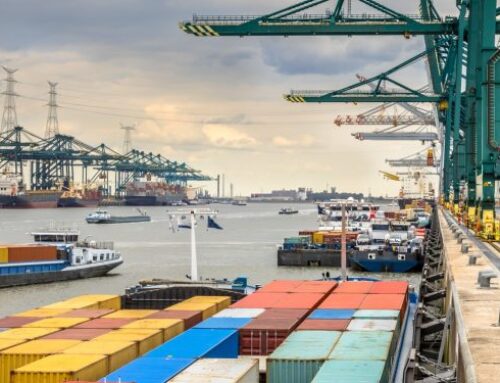
At the heart of this comprehensive plan is a substantial expansion of the UAE’s eastern ports. Key facilities like Dibba Port, the Port of Fujairah, and Khor Fakkan Port, all strategically located outside the Strait of Hormuz along the Gulf of Oman coast, are slated for significant upgrades. Beyond port enhancements, the UAE is actively exploring the construction of at least one additional harbor in the region. This port development is complemented by an extensive network of new pipelines, rail lines, and road networks. These crucial links are designed to seamlessly connect the eastern ports with the nation’s prolific oil and gas fields, as well as its advanced petroleum processing facilities, creating a robust logistics backbone.
**Boosting Export Capacity**
The UAE already operates a 1.5 million-barrel-per-day pipeline, efficiently linking its inland oil fields directly to Fujairah. This existing infrastructure allows a significant portion of crude oil exports to bypass the Strait of Hormuz entirely. Further demonstrating its commitment, the UAE announced in mid-May accelerated plans for a second pipeline. This new project is set to double crude export capacity through Fujairah by 2027, dramatically enhancing the nation’s energy export resilience. Future considerations also include a potential third petroleum pipeline and additional infrastructure to support the growing exports of petrochemicals, liquefied natural gas (LNG), and other crucial energy products.
**Global Energy Security Implications**
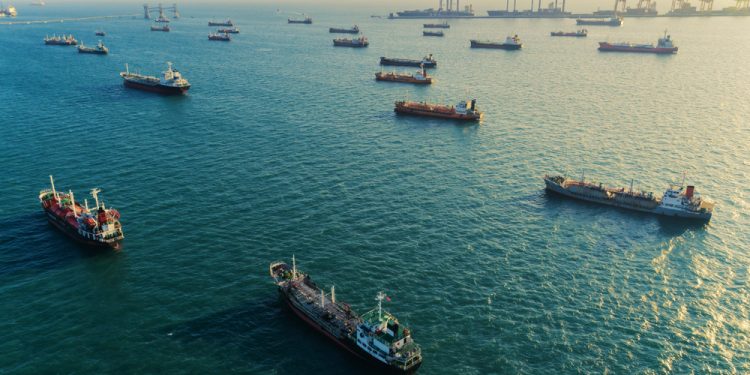
The Strait of Hormuz remains an indispensable global waterway, through which approximately one-fifth of the world’s crude oil and LNG shipments typically pass. The UAE has consistently advocated for uninterrupted navigation through the Strait, recognizing its paramount importance to regional and global energy security, economic stability, and international trade.
**A Broader Strategic Context**
This infrastructure drive is unfolding amidst broader shifts in the Gulf’s dynamic energy landscape. Notably, the UAE’s announcement in April of its withdrawal from OPEC and OPEC+ signifies a major development for the oil-producing alliance, occurring during a period of heightened uncertainty in global energy markets. This move underscores the UAE’s independent strategic direction and its commitment to securing its long-term energy and economic interests.
#UAEEnergy #StraitOfHormuz #EnergySecurity #Fujairah #InfrastructureDevelopment #OilExports #MaritimeTrade #GulfRegion #EconomicDiversification #GlobalEnergy