As the global community observes **World Ocean Day** on June 8, 2026, critical attention is once again drawn to the deteriorating health of our planet’s oceans and the escalating challenges threatening these vital ecosystems. This annual observance serves as a powerful reminder of the ocean’s immense value and the urgent need for its protection.
**The Ocean’s Vital Role in a Sustainable Future**
Covering over 70% of Earth’s surface, the ocean is far more than just water; it is the **lifeblood of global trade**, a crucial source of food and livelihoods for billions, and one of our most potent allies in the fight against **climate change**. The United Nations (UN) World Oceans Day 2026 theme, “Reimagine: Beyond the world we know, a new relationship with our ocean,” urges us to fundamentally change our perspective and engagement with the marine environment. As Dekota Mark, World Ocean Day Coordinator 2026, emphasizes, it’s about moving from passive inheritors to active guardians of its future.
The ocean’s profound importance is enshrined in **UN Sustainable Development Goal 14 (SDG 14)**, which calls for the conservation and sustainable use of oceans, seas, and marine resources. World Ocean Day is not merely a celebration but a crucial opportunity to build momentum for strengthening commitment to these often-overlooked marine ecosystems.
**Strengthening Marine Conservation: The 30×30 Target and High Seas Treaty**
This year’s focus builds on international efforts to bolster **marine conservation** through the Action Theme, “Strong Marine Protected Areas for Our Blue Planet.” This aligns directly with the ambitious **global 30×30 target**, aiming to protect at least 30% of the world’s land, inland waters, and oceans by 2030. Significant progress has been made with the recent entry into force of the **High Seas Treaty** in January 2026. This landmark agreement provides the essential legal framework to establish **marine protected areas** in international waters, which constitute nearly two-thirds of the global ocean. Scientists consistently stress that a healthy ocean is indispensable for addressing both the **climate and biodiversity crises**.
**The Crisis of Ocean Pollution: A Global Challenge**
Despite growing international commitments, the scale of environmental pressures on the ocean remains alarming. **Ocean pollution** stands as one of the most pressing threats. Each year, billions of pounds of waste and pollutants inundate our oceans from diverse sources, including plastic debris, oil contamination, agricultural runoff, and urban drainage.
* **Plastic Pollution:** Up to **12 million metric tons of plastic** enter the oceans annually, with projections indicating that by **2050, ocean plastic could outweigh all fish in the sea**. The infamous Great Pacific Garbage Patch, spanning twice the size of Texas, contains an estimated 1.8 trillion pieces of debris. This plastic breaks down into **microplastics**, entering the food chain and releasing harmful chemicals, with degradation taking hundreds of years.
* **Other Pollutants:** Oil spills account for only 12% of oil entering oceans; two to three times more arrives via runoff. Excess agricultural nutrients trigger massive algal blooms, leading to oxygen-depleted “**dead zones**” where marine life cannot survive.
**Silent Threat: Underwater Noise Pollution**
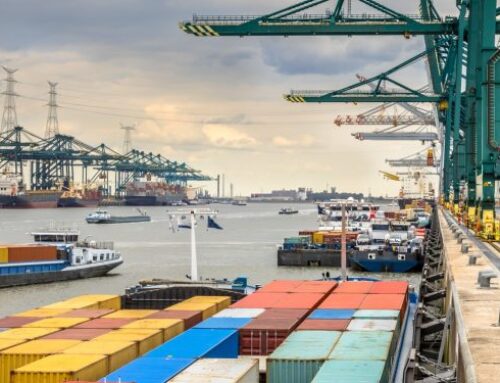
Beyond visible and chemical pollutants, **underwater noise pollution** poses a significant, often unseen, danger. With over 90% of global trade transported by sea, commercial shipping is a primary contributor. This anthropogenic noise, particularly in busy shipping lanes that overlap with critical marine habitats, has severe consequences for marine life, especially mammals:
* **Physical Damage:** High-intensity sounds can cause injury to sensitive hearing organs.
* **Stress & Behavioral Changes:** Chronic noise exposure leads to physiological stress, altered migration routes, and disrupted feeding patterns.
* **Communication Masking:** Background noise interferes with vital communication, impacting mating and parenting behaviors.
**Microplastics Threaten Ocean’s Carbon Capture Capacity**
Emerging research highlights another critical concern: how **microplastic pollution** could compromise the ocean’s vital role in absorbing atmospheric carbon dioxide. Marine phytoplankton, responsible for nearly half of Earth’s photosynthesis and absorbing 25-30% of human-generated CO₂ emissions, are at risk. Studies by the Norwegian University of Science and Technology (NTNU) suggest that rising microplastic concentrations could reduce annual carbon uptake, particularly in arid and tropical regions. While the immediate impact might seem small, researchers warn of long-term implications for **carbon sequestration**, **biodiversity**, and other essential ecosystem services, linking it to the UN’s “triple planetary crisis” of climate change, pollution, and biodiversity loss.
As Arsenio Dominguez, Secretary General of the International Maritime Organization (IMO), aptly states, “On World Oceans Day let us reimagine our relationship with the ocean. How we find the balance between what we take and what we give back.” The ocean’s health underpins our planet’s climate, economies, and biodiversity. Urgent, coordinated global action is imperative to secure a sustainable future for this irreplaceable ecosystem.
#WorldOceanDay2026 #OceanHealth #MarineConservation #PlasticPollution #ClimateAction #HighSeasTreaty #SaveOurOceans #Biodiversity #SustainableOceans #ReimagineOurOcean