Underwater Inspection & Repairs
For emergency and afloat repairs, provides experienced diving teams approved by all IACS Societies to clients. These teams handle underwater tasks such as hull repairs and inspections efficiently. Committed to safety and environmental regulations, they ensure minimal downtime and impact on marine ecosystems.

Here are 20 important, critical, professional, and common questions and answers for the “Underwater Inspection & Repairs” topic:
1. What is Underwater Inspection?
Underwater inspection involves examining a ship’s hull, propellers, rudders, and other submerged components to identify damage, wear, or marine growth that could affect the vessel’s performance and safety.
2. Why is Underwater Inspection Important for Ships?
Underwater inspections are crucial for detecting potential damage or defects early, ensuring compliance with safety and environmental regulations, and maintaining optimal vessel performance.
3. What Types of Underwater Repairs Can Be Performed?
Common underwater repairs include hull cleaning, propeller polishing, welding, crack repair, anode replacement, and maintenance of underwater equipment like thrusters and intakes.
4. What Tools and Equipment Are Used in Underwater Inspections?
Tools and equipment include remotely operated vehicles (ROVs), underwater cameras, sonar devices, ultrasonic testing equipment, and diver-operated inspection tools.
5. How Often Should Ships Undergo Underwater Inspections?
Ships should typically undergo underwater inspections at least once a year or as required by classification societies, insurers, or regulatory authorities.
6. What Are the Main Challenges in Underwater Inspection and Repairs?
Challenges include limited visibility, strong currents, water pressure at depth, accessibility of certain areas, and ensuring diver safety while performing tasks underwater.
7. How Are Underwater Inspections Conducted?
Underwater inspections are conducted by divers or remotely operated vehicles (ROVs), who visually inspect the ship’s submerged areas, use ultrasonic testing for thickness measurements, and take photographs or videos for further analysis.
8. What Is the Role of Divers in Underwater Inspections and Repairs?
Divers play a crucial role by performing hands-on inspections, repairs, welding, cleaning, and providing real-time feedback on the condition of submerged components.
9. What Are Non-Destructive Testing (NDT) Methods Used Underwater?
Common NDT methods used underwater include ultrasonic thickness measurement, magnetic particle testing, dye penetrant testing, and radiographic testing, depending on the material and the type of inspection required.
10. How Is Safety Ensured During Underwater Inspection and Repair Operations?
*Answer:* Safety is ensured by conducting thorough risk assessments, using specialized diving equipment, maintaining communication between divers and surface teams, adhering to safety protocols, and monitoring environmental conditions.
11. What is a Class-Approved Underwater Inspection?
A class-approved underwater inspection is an inspection that is carried out according to the standards set by a classification society, such as ABS, DNV, or Lloyd’s Register, and is often required for certification and insurance purposes.
12. How Are Damages Identified During Underwater Inspections?
Damages are identified through visual inspection, underwater photography and videography, ultrasonic testing for structural integrity, and measuring deviations or deformations on the hull or other components.
13. What Is the Importance of Propeller Polishing in Underwater Repairs?
Propeller polishing removes marine growth and surface roughness, improving hydrodynamic efficiency, reducing fuel consumption, and preventing vibration or noise that could damage the propulsion system.
14. How Are Underwater Welding Repairs Conducted?
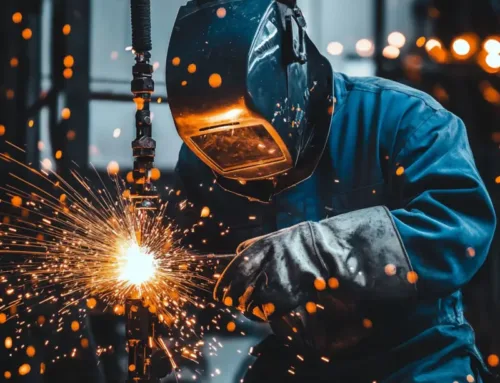
Underwater welding repairs are conducted using specialized welding techniques such as wet welding or hyperbaric (dry) welding, where a habitat is created around the area to be repaired to keep it dry and safe for welding.
15. What Are the Environmental Considerations for Underwater Repairs?
Environmental considerations include minimizing pollution, controlling debris, preventing the release of harmful substances, and adhering to local and international environmental regulations.
16. How Do Remotely Operated Vehicles (ROVs) Assist in Underwater Inspections?
ROVs assist by providing high-resolution video and photographic data, reaching areas that may be unsafe or difficult for divers, and allowing inspections to be conducted in hazardous conditions without risking human life.
17. What Are Anodes, and Why Are They Replaced During Underwater Repairs?
Anodes are sacrificial metal pieces attached to the hull to prevent corrosion of the ship’s metal components. They are replaced when they are worn out to ensure continued protection against corrosion.
18. How Can Underwater Inspections Improve Operational Efficiency?
Regular underwater inspections help maintain hull cleanliness, identify early signs of damage or wear, reduce drag, improve fuel efficiency, and prevent unexpected breakdowns, thereby enhancing overall operational efficiency.
19. How Do Shipowners Prepare for Underwater Inspections and Repairs?
Shipowners prepare by scheduling inspections in advance, coordinating with certified diving and inspection companies, preparing necessary documentation, and ensuring the availability of spare parts and equipment.
20. What Happens If Significant Damage Is Found During an Underwater Inspection?
If significant damage is found, shipowners are notified immediately, and a plan is developed for necessary repairs. This may involve scheduling drydocking or conducting emergency repairs at sea or in port to restore the vessel’s safety and integrity.