Ship Supply

Ship Supply

Ship Supply

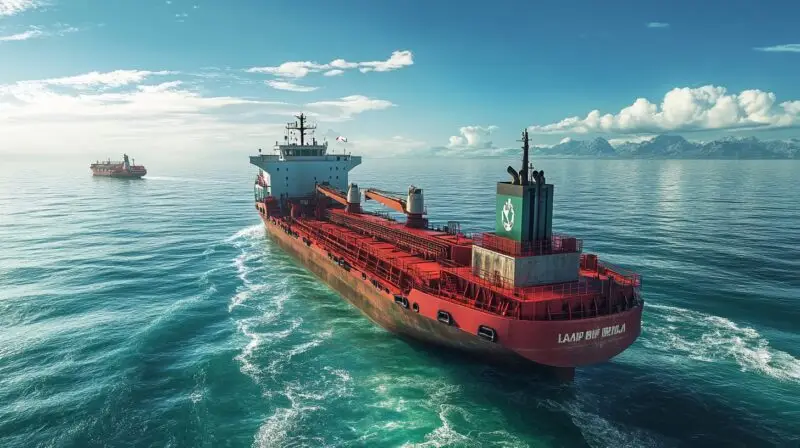
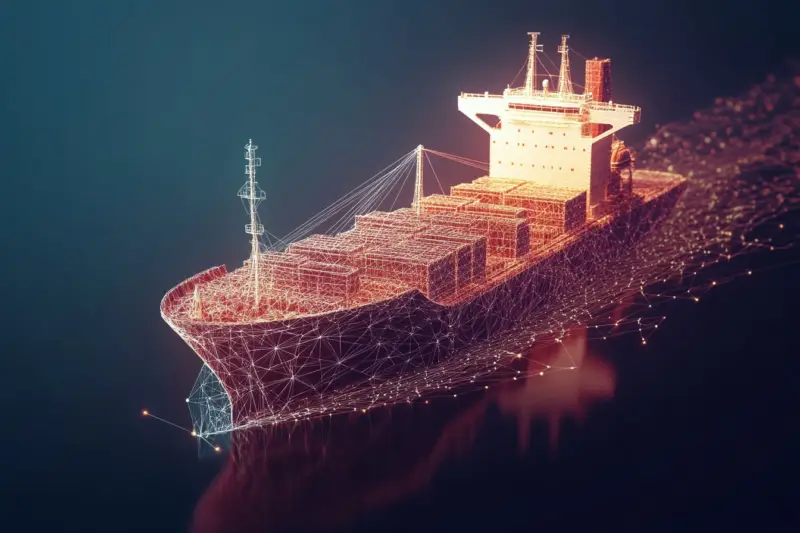
Premier supplier in the maritime industry, equipped with state-of the art supply chain technologies, offering top-notch technical supplies, comfortable cabins, and reliable deck equipment for all types of vessels.

1. What Does Ship Supply Include?
Ship supply includes the provision of technical supplies, deck equipment, comfortable cabins, and other necessities for ships.

2. Why is Ship Supply Necessary?
Ship supply is necessary to ensure that ships can operate safely and efficiently at sea by providing essential materials and equipment.

3. What Types of Technical Supplies Are Provided for Ships?
Technical supplies include engine parts, navigation equipment, safety materials, pumps, and valves.

4. What Products Are Offered for Cabin Comfort?
Products for cabin comfort include bedding, furniture, kitchen utensils, air conditioning, and heating systems.

5. How Long Does It Take to Supply Ship Equipment?
The supply time for ship equipment varies depending on the type of material and the supplier’s location; it typically ranges from a few days to a few weeks.

6. What Standards Must Ship Supply Companies Follow?
Ship supply companies must comply with international maritime standards, environmental regulations, and relevant safety requirements.

7. How is the Ship Supply Chain Managed?
The ship supply chain is managed through coordination between material suppliers, logistics providers, and ship operators.

8. How Are Ship Supply Services Requested?
Ship supply services are requested by ship owners or operators who directly contact supply companies.

9. How is Security Ensured During the Supply Process?
Security is ensured through proper packaging, maintaining appropriate conditions during transport, and using certified equipment.

10. What Innovative Technologies Are Used in Ship Supply Services?
Innovative technologies such as advanced inventory management software, automated ordering systems, and blockchain-based tracking systems are used.

11. What Are the Payment Methods for Ship Supply?
Payment is usually made via bank transfer, credit card, or special payment plans according to the contract.

12. In Which Areas Do Ship Supply Companies Operate?
Ship supply companies typically operate in port cities or regions with a high concentration of maritime activities.

13. Are Ship Supply Services Environmentally Friendly?
Yes, many ship supply companies are environmentally friendly, using eco-friendly products and sustainable supply chain practices.

14. Can Special Orders Be Placed for Ship Supply?
Yes, many companies accept special orders based on customer needs and provide them within the specified time frame.

15. What Types of Ship Equipment Are Covered by Ship Supply?
Ship supply covers navigation devices, engine spare parts, safety equipment, paint, and maintenance materials, among others.

16. How is Quality Control Ensured in Ship Supply Services?
Quality control is ensured through conformity tests and inspections from material selection to delivery.

17. What Types of Ships Can Ship Supply Services Be Applied To?
Ship supply services can be applied to tankers, container ships, passenger ships, cargo ships, and many other types of vessels.

18. What Additional Services Do Ship Supply Companies Offer?
Ship supply companies often provide additional services such as logistics support, emergency supply, and technical consultancy.

19. What Challenges May Arise in Ship Supply Services?
Challenges may include delivery delays, compliance issues with international regulations, and logistical disruptions.

20. How is Customer Satisfaction Ensured in Ship Supply Services?
Customer satisfaction is ensured through quality products, timely delivery, and effective communication.

2024-10-20T18:02:45+03:00November 21st, 2025|Services|

Classification & Flag Registration

Classification & Flag Registration

Classification & Flag Registration

Our team assists with classification and flag registration processes, ensuring compliance with international regulations and standards (44 different flags including Barbados, Panama, Palau, St. Kitts & Nevis, San Marino, Belize, Togo, Tanzania, Cameroon)

1. What is Flag Registration?
Flag registration is the process of registering a ship under the flag of a specific country, which grants the ship the right to sail under that country’s laws and regulations.

2. Why is Flag Registration Important for Ships?
Flag registration is essential for establishing a ship’s nationality, which determines the laws and regulations that govern its operation, safety standards, and the protection it receives from the flag state.

3. What is a Classification Society?
A classification society is an organization that establishes and maintains technical standards for the construction and operation of ships and other marine structures.

4. Why Do Ships Need to Be Classified?
Ships need to be classified to ensure they meet the minimum safety and environmental standards set by international regulations, which is crucial for insurance, financing, and operational purposes.

5. Which Countries Offer Popular Flags for Ship Registration?
Popular countries for ship registration include Panama, Liberia, the Bahamas, Malta, and the Marshall Islands, among others.

6. What Factors Should Be Considered When Choosing a Flag for Registration?
Factors include registration fees, tax rates, regulatory requirements, crew nationality restrictions, and the flag state’s reputation in the maritime industry.

7. What Are the Benefits of Registering a Ship Under a Foreign Flag?
Benefits may include lower registration fees, tax advantages, fewer regulatory restrictions, and the flexibility to employ a multinational crew.

8. How Does Classification Impact a Ship’s Operation?
Classification impacts a ship’s operation by ensuring compliance with safety and technical standards, which can affect insurance, chartering opportunities, and port access.

9. What Are the Steps Involved in the Flag Registration Process?
The steps typically include submitting an application, providing proof of ownership, paying registration fees, passing inspections, and receiving a certificate of registry.

10. How Can a Shipowner Change a Ship’s Flag or Classification?
A shipowner can change a ship’s flag or classification by deregistering from the current flag state, fulfilling any outstanding obligations, and re-registering under the new flag or classification society, following their respective requirements.

2024-12-21T22:00:49+03:00November 21st, 2025|Services|

Outfitting Works

Outfitting Works

Outfitting Works

Delivers professional services with its expert team in various areas, including light steel fabrication, ventilation ducts, insulation, and more. We ensure the success of your business at sea with our expertise and dedication.

1. What Are Outfitting Works in Shipbuilding?

Outfitting works involve the installation and assembly of equipment, systems, and materials required for the operation and functionality of a ship, including interior and exterior components.

2. Why Are Outfitting Works Important in the Maritime Industry?

Outfitting works are crucial for ensuring that a vessel meets safety standards, is comfortable for the crew and passengers, and is fully operational for its intended use.

3. What Types of Systems Are Installed During Outfitting?

Systems installed during outfitting include electrical, plumbing, HVAC (heating, ventilation, and air conditioning), communication, navigation, and safety systems.

4. What Materials Are Commonly Used in Outfitting Works?

Common materials include steel, aluminum, wood, insulation, piping, wiring, and various types of coatings and paint for corrosion resistance.

5. How Does the Outfitting Process Begin?

The outfitting process begins with detailed planning and design, followed by the procurement of materials, and then the actual installation and assembly on the ship.

6. What Are the Key Challenges in Outfitting Works?

Key challenges include coordinating multiple tasks simultaneously, managing space constraints, maintaining high safety standards, and adhering to project timelines and budgets.

7. How Is Quality Control Managed During Outfitting?

Quality control is managed through regular inspections, testing of installed systems, and adherence to industry standards and regulatory requirements throughout the outfitting process.

8. What Role Does a Project Manager Play in Outfitting Works?

A project manager oversees the entire outfitting process, coordinating between different teams, managing schedules and budgets, and ensuring the project meets all technical and regulatory specifications.

9. How Are Outfitting Works for New Builds Different from Retrofits?

Outfitting for new builds is planned from the ground up, while retrofits involve modifying or upgrading existing systems and structures, often requiring more complex adjustments to fit the current layout.

10. What Is the Importance of Insulation in Outfitting Works?

Insulation is important for thermal and sound protection, ensuring energy efficiency, safety, and comfort for both the crew and passengers.

11. What Are the Safety Measures in Place During Outfitting?

Safety measures include strict adherence to safety protocols, use of personal protective equipment (PPE), proper handling of materials, and continuous training for all workers.

12. How Does Digital Technology Assist in Outfitting Works?

Digital technology, such as 3D modeling and project management software, assists in accurate planning, design, monitoring, and managing the outfitting process efficiently.

13. What Is the Role of Light Steel Fabrication in Outfitting?

Light steel fabrication provides structural components and support frameworks that are strong yet lightweight, ideal for various ship sections to enhance performance and reduce fuel consumption.

14. What Are the Environmental Considerations in Outfitting Works?

Environmental considerations include using sustainable materials, reducing waste, recycling, and ensuring that all installed systems comply with environmental regulations, such as emission control standards.

15. How Are HVAC Systems Installed During Outfitting?

HVAC systems are installed by placing ductwork, mounting air handling units, and connecting them to power sources and control systems, ensuring proper ventilation, heating, and cooling throughout the vessel.

16. How Do Outfitting Works Contribute to the Overall Value of a Ship?

Outfitting works add value by enhancing the ship’s safety, functionality, comfort, and operational efficiency, which can improve marketability and profitability.

17. What Are the Key Considerations for Electrical Outfitting?

Key considerations include ensuring electrical safety, proper load distribution, compliance with maritime electrical standards, and the integration of backup power systems.

18. How Do Ventilation Ducts Affect Ship Performance?

Properly designed and installed ventilation ducts are essential for maintaining air quality, controlling temperature, and ensuring the safety of both the crew and cargo, especially in enclosed spaces.

19. What Is the Role of Coatings in Outfitting Works?

Coatings protect the ship’s surfaces from corrosion, wear, and environmental damage, extending the lifespan of the vessel and reducing maintenance costs.

20. How Is the Timeline for Outfitting Works Determined?

The timeline for outfitting works is determined by the project’s scope, the complexity of the installations, availability of materials, and coordination between different teams involved in the project.

2024-10-20T17:42:58+03:00September 9th, 2024|Services|

Conversion & New Building

Conversion & New Building

Conversion & New Building

Excels in conversion projects and new building, offering comprehensive solutions for diverse maritime needs. We convert vessels for new purposes, upgrade existing ones, and construct custom vessels, ensuring adherence to budget, timeline, and regulatory standards for innovative solutions that meet operational needs.

Here are 20 important, critical, and professional questions and answers for the “Conversion & New Building” topic:

1. What is a Ship Conversion?

Ship conversion involves modifying an existing vessel to change its function, improve performance, extend its lifespan, or comply with new regulations. This can include structural changes, retrofitting new equipment, or upgrading systems.

2. Why is Ship Conversion Important?

Ship conversion is important to meet changing market demands, comply with new environmental and safety regulations, enhance operational efficiency, and increase the vessel’s value and functionality.

3. What Are the Different Types of Ship Conversions?

Types of ship conversions include lengthening, repurposing (e.g., converting a cargo ship to a passenger ship), upgrading propulsion systems, adding scrubbers for emissions control, and installing new ballast water treatment systems.

4. How Does the New Building Process for Ships Begin?

The new building process begins with the conceptual design phase, where shipowners and naval architects define the vessel’s specifications, purpose, size, and capacity, followed by detailed engineering, planning, and construction.

5. What Are the Key Factors to Consider in a Ship Conversion Project?

Key factors include the ship’s current condition, the scope of the conversion, regulatory compliance, cost and budget, timeline, technical feasibility, and potential risks involved.

6. How is Project Management Conducted in New Shipbuilding?

Project management involves coordinating various teams (design, engineering, construction), managing budgets and timelines, ensuring quality control, and maintaining communication with stakeholders to meet project goals.

7. What Are the Common Challenges in Ship Conversion Projects?

Common challenges include space limitations, structural integrity issues, unexpected costs, delays due to complex modifications, and ensuring compliance with new regulations.

8. How Do Shipyards Ensure Quality During New Building Projects?

Quality is ensured through rigorous quality control procedures, regular inspections, testing, use of high-quality materials, adherence to international standards, and collaboration with classification societies.

9. What Is the Role of a Naval Architect in Ship Conversion and New Building?

A naval architect designs the ship’s modifications or new structures, ensuring they meet safety standards, regulatory requirements, and the shipowner’s specifications while optimizing performance and efficiency.

10. What Regulations Must Be Considered in Ship Conversion?

Regulations include those from the International Maritime Organization (IMO), classification societies, flag state requirements, and environmental standards such as the Ballast Water Management Convention and MARPOL.

11. How Is Cost Control Managed in New Building and Conversion Projects?

Cost control is managed through careful planning, detailed budgeting, monitoring expenses, negotiating with suppliers, and making adjustments to project scope as necessary to avoid overruns.

12. What Are the Benefits of Retrofitting Green Technologies During Conversion?

Benefits include reduced fuel consumption, lower emissions, compliance with environmental regulations, potential tax incentives, and improved marketability of the vessel.

13. How Is Structural Integrity Maintained During Ship Conversion?

Structural integrity is maintained by conducting thorough inspections, using high-quality materials, adhering to engineering standards, and performing load and stress tests to ensure modifications do not compromise the ship’s safety.

14. What Are the Steps Involved in a New Shipbuilding Project?

Steps include conceptual design, detailed engineering, procurement of materials, hull construction, outfitting, installation of machinery and systems, testing, sea trials, and final delivery.

15. How Do Shipyards Manage Time Constraints in New Building Projects?

Time constraints are managed by effective project scheduling, coordinating tasks concurrently, using advanced construction techniques, and maintaining flexibility to address unforeseen challenges.

16. What Role Do Classification Societies Play in Ship Conversion and New Building?

Classification societies review and approve design plans, inspect construction or modification processes, ensure compliance with safety and regulatory standards, and certify the vessel once it meets all requirements.

17. How Are Environmental Considerations Incorporated into New Ship Designs?

Environmental considerations are incorporated by designing fuel-efficient hull forms, using eco-friendly materials, installing emissions control technologies, and optimizing energy management systems.

18. What Are the Key Performance Indicators (KPIs) in Shipbuilding and Conversion Projects?

KPIs include on-time delivery, adherence to budget, quality of construction, compliance with regulations, safety records, and client satisfaction.

19. What Is a Feasibility Study in the Context of Ship Conversion?

A feasibility study evaluates the technical, economic, and regulatory aspects of a proposed conversion project to determine whether it is viable and worth pursuing.

20. How Is Risk Management Handled in Ship Conversion and New Building Projects?

Risk management is handled by identifying potential risks early, conducting thorough planning and analysis, implementing mitigation strategies, maintaining open communication, and having contingency plans in place to address unforeseen issues.

2024-10-20T17:53:08+03:00February 9th, 2024|Services|

Underwater Inspection & Repairs

Underwater Inspection & Repairs

Underwater Inspection & Repairs

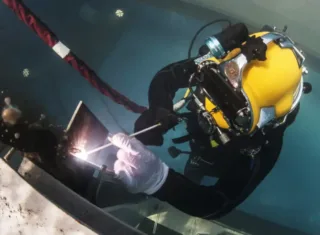
For emergency and afloat repairs, provides experienced diving teams approved by all IACS Societies to clients. These teams handle underwater tasks such as hull repairs and inspections efficiently. Committed to safety and environmental regulations, they ensure minimal downtime and impact on marine ecosystems.

Here are 20 important, critical, professional, and common questions and answers for the “Underwater Inspection & Repairs” topic:

1. What is Underwater Inspection?

Underwater inspection involves examining a ship’s hull, propellers, rudders, and other submerged components to identify damage, wear, or marine growth that could affect the vessel’s performance and safety.

2. Why is Underwater Inspection Important for Ships?

Underwater inspections are crucial for detecting potential damage or defects early, ensuring compliance with safety and environmental regulations, and maintaining optimal vessel performance.

3. What Types of Underwater Repairs Can Be Performed?

Common underwater repairs include hull cleaning, propeller polishing, welding, crack repair, anode replacement, and maintenance of underwater equipment like thrusters and intakes.

4. What Tools and Equipment Are Used in Underwater Inspections?

Tools and equipment include remotely operated vehicles (ROVs), underwater cameras, sonar devices, ultrasonic testing equipment, and diver-operated inspection tools.

5. How Often Should Ships Undergo Underwater Inspections?

Ships should typically undergo underwater inspections at least once a year or as required by classification societies, insurers, or regulatory authorities.

6. What Are the Main Challenges in Underwater Inspection and Repairs?

Challenges include limited visibility, strong currents, water pressure at depth, accessibility of certain areas, and ensuring diver safety while performing tasks underwater.

7. How Are Underwater Inspections Conducted?

Underwater inspections are conducted by divers or remotely operated vehicles (ROVs), who visually inspect the ship’s submerged areas, use ultrasonic testing for thickness measurements, and take photographs or videos for further analysis.

8. What Is the Role of Divers in Underwater Inspections and Repairs?

Divers play a crucial role by performing hands-on inspections, repairs, welding, cleaning, and providing real-time feedback on the condition of submerged components.

9. What Are Non-Destructive Testing (NDT) Methods Used Underwater?

Common NDT methods used underwater include ultrasonic thickness measurement, magnetic particle testing, dye penetrant testing, and radiographic testing, depending on the material and the type of inspection required.

10. How Is Safety Ensured During Underwater Inspection and Repair Operations?

*Answer:* Safety is ensured by conducting thorough risk assessments, using specialized diving equipment, maintaining communication between divers and surface teams, adhering to safety protocols, and monitoring environmental conditions.

11. What is a Class-Approved Underwater Inspection?

A class-approved underwater inspection is an inspection that is carried out according to the standards set by a classification society, such as ABS, DNV, or Lloyd’s Register, and is often required for certification and insurance purposes.

12. How Are Damages Identified During Underwater Inspections?

Damages are identified through visual inspection, underwater photography and videography, ultrasonic testing for structural integrity, and measuring deviations or deformations on the hull or other components.

13. What Is the Importance of Propeller Polishing in Underwater Repairs?

Propeller polishing removes marine growth and surface roughness, improving hydrodynamic efficiency, reducing fuel consumption, and preventing vibration or noise that could damage the propulsion system.

14. How Are Underwater Welding Repairs Conducted?

Underwater welding repairs are conducted using specialized welding techniques such as wet welding or hyperbaric (dry) welding, where a habitat is created around the area to be repaired to keep it dry and safe for welding.

15. What Are the Environmental Considerations for Underwater Repairs?

Environmental considerations include minimizing pollution, controlling debris, preventing the release of harmful substances, and adhering to local and international environmental regulations.

16. How Do Remotely Operated Vehicles (ROVs) Assist in Underwater Inspections?

ROVs assist by providing high-resolution video and photographic data, reaching areas that may be unsafe or difficult for divers, and allowing inspections to be conducted in hazardous conditions without risking human life.

17. What Are Anodes, and Why Are They Replaced During Underwater Repairs?

Anodes are sacrificial metal pieces attached to the hull to prevent corrosion of the ship’s metal components. They are replaced when they are worn out to ensure continued protection against corrosion.

18. How Can Underwater Inspections Improve Operational Efficiency?

Regular underwater inspections help maintain hull cleanliness, identify early signs of damage or wear, reduce drag, improve fuel efficiency, and prevent unexpected breakdowns, thereby enhancing overall operational efficiency.

19. How Do Shipowners Prepare for Underwater Inspections and Repairs?

Shipowners prepare by scheduling inspections in advance, coordinating with certified diving and inspection companies, preparing necessary documentation, and ensuring the availability of spare parts and equipment.

20. What Happens If Significant Damage Is Found During an Underwater Inspection?

If significant damage is found, shipowners are notified immediately, and a plan is developed for necessary repairs. This may involve scheduling drydocking or conducting emergency repairs at sea or in port to restore the vessel’s safety and integrity.

2024-10-20T17:49:40+03:00February 9th, 2024|Services|

BWTS (Ballast Water Treatment System) Installation

BWTS Installation

BWTS Installation

Specializes in BWTS installation, ensuring eco-friendly ballast water treatment on vessels. With our expertise, we seamlessly integrate advanced technology to meet environmental compliance standards efficiently.

Here are 20 important, critical, and common questions and answers for the “BWTS (Ballast Water Treatment System) Installation” topic:

1. What is a Ballast Water Treatment System (BWTS)?

A BWTS is a system installed on ships to treat ballast water to remove or neutralize invasive species and pathogens, ensuring compliance with international environmental regulations.

2. Why is BWTS Installation Important for Ships?

BWTS installation is important to comply with the International Maritime Organization’s (IMO) Ballast Water Management Convention, which aims to prevent the spread of invasive aquatic species through ballast water.

3. What Are the Different Types of BWTS Technologies Available?

Common types of BWTS technologies include filtration, ultraviolet (UV) irradiation, chemical disinfection (e.g., chlorine or ozone), and electrochlorination.

4. How is a BWTS Installed on a Ship?

Installation involves site surveys, designing the system layout, retrofitting the existing ballast system with treatment components, integrating the control systems, and performing tests to ensure proper functionality.

5. What Factors Should Be Considered When Choosing a BWTS?

Factors include the ship’s size, ballast water capacity, operational routes, power availability, compatibility with existing systems, and the specific type of ballast water treatment technology.

6. How Long Does It Take to Install a BWTS?

The installation time can vary depending on the system type, ship size, and complexity of the retrofit, typically ranging from a few days to several weeks.

7. What Are the Key Challenges in BWTS Installation?

Key challenges include space constraints, integration with existing systems, potential power supply issues, compliance with various regulations, and ensuring minimal disruption to the ship’s operation.

8. How Is Compliance with BWTS Regulations Ensured?

Compliance is ensured by selecting an approved BWTS, following manufacturer installation guidelines, undergoing commissioning tests, and obtaining certification from a recognized classification society.

9. What Is the Role of a Classification Society in BWTS Installation?

A classification society reviews and approves the BWTS installation plans, conducts inspections during and after installation, and certifies that the system complies with international standards.

10. How Is BWTS Performance Monitored After Installation?

Performance is monitored through regular sampling and testing of treated ballast water, using sensors and control systems that log data to ensure compliance with discharge standards.

11. What Are the Costs Associated with BWTS Installation?

Costs include the price of the BWTS unit, installation expenses, modification of existing systems, downtime during installation, and ongoing maintenance and monitoring costs.

12. How Does BWTS Installation Affect a Ship’s Power Consumption?

Depending on the technology used, BWTS installation can increase a ship’s power consumption, especially for systems like electrochlorination or UV irradiation that require significant electrical power.

13. What Are the Maintenance Requirements for a BWTS?

Maintenance includes regular inspection and cleaning of filters, checking UV lamps or chemical dosing units, calibrating sensors, and periodic testing to ensure the system functions effectively.

14. How Are Crew Members Trained for BWTS Operation?

Crew members are trained through manufacturer-provided courses, onboard demonstrations, and practical exercises to operate, monitor, and maintain the BWTS effectively.

15. What Are the Environmental Implications of BWTS Installation?

BWTS installation helps protect marine ecosystems by preventing the spread of invasive species, but it also requires careful management to avoid environmental impacts from chemicals or energy use.

16. Can BWTS Be Retrofitted on Older Ships?

Yes, BWTS can be retrofitted on older ships, but the process may be more complex due to space limitations, outdated systems, or structural modifications needed to accommodate the new equipment.

17. What Is the Process for Testing and Commissioning a BWTS?

Testing and commissioning involve verifying the system’s installation, conducting operational tests with ballast water, and ensuring that the treated water meets regulatory standards.

18. What Documentation is Required for BWTS Installation?

*Answer:* Documentation includes installation drawings, manufacturer manuals, certification from a classification society, and records of commissioning tests and regular monitoring reports.

19. How Does BWTS Installation Impact a Ship’s Ballast Operations?

BWTS installation may change ballast operation procedures, requiring additional steps for treatment, potential delays in ballast exchange, and new monitoring and reporting requirements.

20. What Happens If a BWTS Fails During Operation?

If a BWTS fails, contingency measures should be in place, such as alternative treatment options, manual intervention, repair protocols, and notifying relevant authorities to ensure compliance.

Here are some of the world’s most renowned companies and brands in the Ballast Water Treatment System (BWTS) industry:

1. Alfa Laval

2. Ecochlor

3. Optimarin

4. Wärtsilä

5. OceanSaver

6. Trojan Marinex

7. Evoqua Water Technologies

8. Hyde Marine

9. PANASIA

10. BIO-UV Group

Direct Dealership and Representation:

We are the direct dealer and official representative of the world’s most renowned companies and brands in the Ballast Water Treatment System (BWTS) industry. Our partnerships with Alfa Laval, Ecochlor, Optimarin, Wärtsilä, OceanSaver, Trojan Marinex, Evoqua Water Technologies, Hyde Marine, PANASIA, and BIO-UV Group enable us to provide our clients with the highest quality systems and solutions. Our exclusive dealership status ensures that we offer unparalleled access to cutting-edge technologies and services, tailored to meet the needs of the maritime industry worldwide.

2024-10-20T17:54:55+03:00February 9th, 2024|Services|

Mechanical Work

Mechanical Work

Mechanical Work

Our skilled technicians specialize in mechanical services essential for vessel upkeep. From main and auxiliary engine overhauling to pump maintenance, they ensure smooth operations. With their expertise, they diagnose issues efficiently and conduct preventive maintenance to uphold reliability.

Here are 20 important, critical, and common questions and answers for the “Mechanical Works” topic:

1. What Are Mechanical Works in the Maritime Industry?

Mechanical works involve the maintenance, repair, and overhaul of mechanical systems on a vessel, including main and auxiliary engines, pumps, valves, steering systems, and other machinery essential for safe and efficient operation.

2. Why Is Regular Maintenance of Mechanical Systems Crucial for Ships?

Regular maintenance is crucial to prevent breakdowns, ensure operational efficiency, comply with safety regulations, and extend the lifespan of the vessel’s mechanical components.

3. What Are the Common Types of Mechanical Repairs Needed on Ships?

Common mechanical repairs include engine overhauls, pump and valve repairs, gearbox and transmission maintenance, steering gear repairs, and hydraulic system servicing.

4. How Are Main Engines Overhauled on Ships?

Main engine overhauls involve disassembling the engine, inspecting and cleaning parts, replacing worn or damaged components, reassembling the engine, and conducting performance tests to ensure proper operation.

5. What Are the Signs That Indicate a Ship’s Mechanical System Needs Repair?

Signs include unusual noises, vibrations, leaks, increased fuel or oil consumption, loss of power, overheating, and alarms triggered by onboard monitoring systems.

6. How Is Predictive Maintenance Used in Ship Mechanical Systems?

Predictive maintenance uses data from sensors and monitoring equipment to predict potential failures, allowing for timely repairs before a breakdown occurs.

7. What Are the Challenges of Performing Mechanical Repairs at Sea?

Challenges include limited access to spare parts, restricted working space, adverse weather conditions, and ensuring the safety of the crew while performing repairs.

8. How Are Mechanical Systems Inspected for Safety Compliance?

Mechanical systems are inspected for safety compliance through regular surveys by classification societies, visual inspections, and tests such as pressure and load testing, as well as reviewing maintenance records.

9. What Is the Role of a Marine Engineer in Mechanical Works?

A marine engineer is responsible for overseeing the maintenance, repair, and operation of all mechanical systems on a ship, ensuring they are functioning correctly and efficiently.

10. How Are Hydraulic Systems Maintained on Ships?

Hydraulic systems are maintained by regularly checking for leaks, replacing worn seals and hoses, testing for proper pressure, and ensuring the hydraulic fluid is clean and at the correct level.

11. What Tools Are Commonly Used in Ship Mechanical Repairs?

Common tools include wrenches, torque tools, diagnostic equipment, calipers, pressure gauges, and specialized tools for engine and pump repair.

12. How Do You Ensure Quality Control in Mechanical Repairs?

Quality control is ensured through detailed inspections, testing repaired systems, adhering to manufacturer guidelines, and complying with regulatory standards and classifications.

13. What Are the Safety Precautions for Mechanical Work on Ships?

Safety precautions include wearing appropriate personal protective equipment (PPE), following lockout/tagout procedures, ensuring proper ventilation, and adhering to standard operating procedures.

14. How Are Fuel Systems Maintained in Maritime Vessels?

Fuel systems are maintained by regularly inspecting tanks and lines for leaks, cleaning filters, testing fuel quality, and checking for water contamination.

15. What Is the Importance of Vibration Analysis in Mechanical Works?

Vibration analysis helps detect imbalances, misalignments, and mechanical wear in rotating equipment, allowing for early detection and repair of potential problems.

16. How Do Mechanical Works Contribute to Fuel Efficiency?

Proper maintenance and timely repairs of mechanical systems, such as engines and propulsion systems, ensure they operate at optimal efficiency, reducing fuel consumption and costs.

17. What Are the Common Causes of Pump Failure on Ships?

Common causes of pump failure include wear and tear, cavitation, improper installation, inadequate lubrication, and blockage due to debris or contamination.

18. How Are Steering Systems Inspected and Maintained?

Steering systems are inspected and maintained by checking for hydraulic leaks, testing control systems, ensuring the mechanical components are properly lubricated, and verifying alignment.

19. What Is the Role of Lubrication in Ship Mechanical Systems?

Lubrication reduces friction between moving parts, prevents wear, protects against corrosion, and helps dissipate heat, ensuring smooth and efficient operation of mechanical systems.

20. How Are Emergency Mechanical Repairs Handled at Sea?

Emergency mechanical repairs at sea are handled by the ship’s crew using available onboard resources, following emergency protocols, prioritizing safety, and, if necessary, coordinating with shore-based support for additional assistance.

2024-10-20T17:56:25+03:00February 9th, 2024|Services|

Fabrication and Welding

Fabrication & Welding

Fabrication & Welding

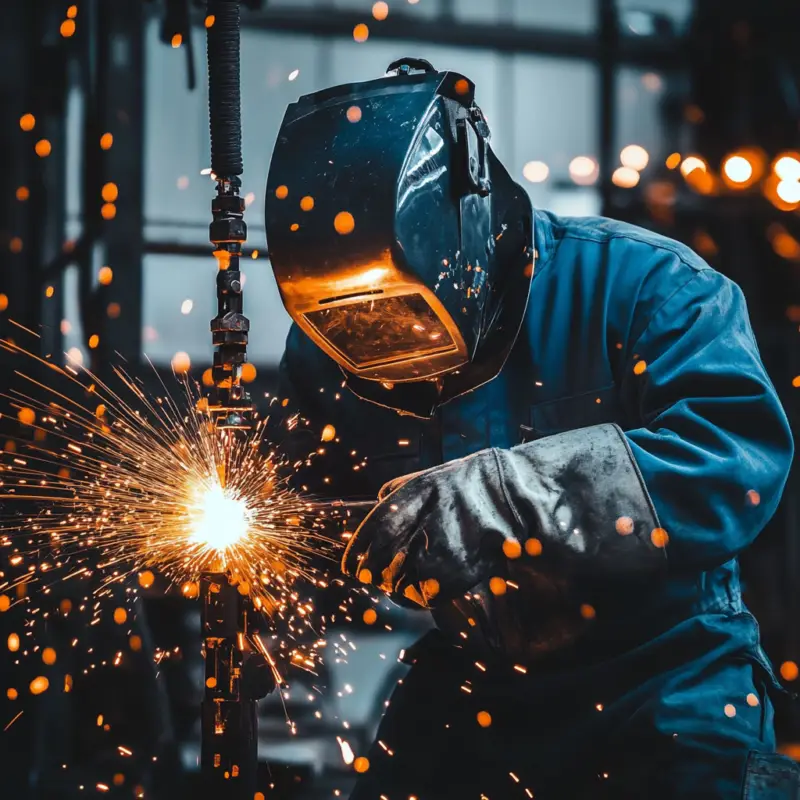
At our class-approved workshops, we take pride in offering top-notch fabrication and welding services to meet your structural and equipment needs. Our skilled team ensures high-quality workmanship and attention to detail in every project we undertake, providing reliable solutions that adhere to industry standards.

Here are 20 important, critical, professional, and common questions and answers for the “Fabrication and Welding” topic:

1. What is Fabrication in the Maritime Industry?

Fabrication in the maritime industry involves cutting, shaping, and assembling metal components to build or repair ship structures, including hulls, decks, and internal frames.

2. Why is Welding Essential in Shipbuilding and Repair?

Welding is essential because it provides a strong, durable, and watertight bond between metal components, which is crucial for the structural integrity and safety of the vessel.

3. What Are the Different Types of Welding Used in Shipbuilding?

Common welding types include Shielded Metal Arc Welding (SMAW), Gas Metal Arc Welding (GMAW/MIG), Gas Tungsten Arc Welding (GTAW/TIG), and Flux-Cored Arc Welding (FCAW).

4. How is Quality Control Ensured in Fabrication and Welding?

Quality control is ensured through rigorous inspection processes, non-destructive testing methods (such as ultrasonic testing and X-ray inspection), and adherence to industry standards and specifications.

5. What Are the Key Challenges in Maritime Welding?

Key challenges include working in confined spaces, exposure to harsh environments, maintaining high precision and quality, and ensuring safety due to the risks of fire and toxic fumes.

6. What Materials Are Commonly Used in Ship Fabrication?

Common materials include various grades of steel, aluminum, and other alloys specifically designed to withstand harsh marine environments and meet strength requirements.

7. How Do Welding Procedures Differ for New Construction vs. Repair Work?

New construction welding follows pre-approved procedures with a focus on precision and alignment, while repair welding often involves modifying techniques to accommodate existing structures and damage.

8. What Safety Measures Are Important in Welding Operations?

Safety measures include using personal protective equipment (PPE) like helmets, gloves, and welding aprons; ensuring proper ventilation; training workers on safety protocols; and maintaining fire prevention systems.

9. What Is a Welding Procedure Specification (WPS)?

A Welding Procedure Specification (WPS) is a documented set of instructions that outlines the welding process, materials, equipment, and parameters needed to achieve a specific weld quality.

10. How Does Environmental Conditions Affect Welding Quality?

Environmental conditions like humidity, wind, and temperature can affect welding quality by causing defects such as cracks, porosity, or incomplete fusion, making it essential to control these conditions.

11. What is Non-Destructive Testing (NDT) in Welding?

Non-Destructive Testing (NDT) involves inspecting welds without damaging them to detect internal or surface defects using methods such as ultrasonic, radiographic, magnetic particle, and dye penetrant testing.

12. How Are Welding Defects Identified and Corrected?

Welding defects are identified through visual inspection and NDT methods. Once detected, defects are corrected by grinding out the flawed weld and re-welding according to approved procedures.

13. What Role Does Fabrication Play in Ship Modification Projects?

Fabrication is crucial in ship modification projects as it involves creating and installing new components or structures that enable the vessel to perform new functions or meet updated regulations.

14. How Is Corrosion Protection Integrated Into Fabrication and Welding?

Corrosion protection is integrated by using corrosion-resistant materials, applying protective coatings, and ensuring proper weld quality to prevent moisture intrusion and material degradation.

15. What Are the Common Standards and Certifications Required for Maritime Welding?

Common standards include those set by the American Welding Society (AWS), International Organization for Standardization (ISO), and classification societies like ABS, DNV, and Lloyd’s Register.

16. What Is the Importance of Skilled Labor in Welding and Fabrication?

Skilled labor is essential for maintaining high-quality welds, ensuring safety, minimizing defects, and completing projects on time and within budget.

17. How Do Fabrication Shops Ensure Precision in Metal Cutting?

Precision is ensured through the use of advanced technologies such as CNC cutting machines, laser cutters, and water jet cutters, combined with skilled technicians to oversee the process.

18. What Are the Key Considerations for Selecting Welding Consumables?

Key considerations include the base material’s properties, desired weld characteristics, environmental conditions, and the specific welding process being used.

19. How Is Welding Inspected and Certified?

Welding is inspected and certified by qualified inspectors using NDT methods, verifying that the welds meet the required standards and specifications.

20. What Role Does Welding Play in Structural Integrity?

Welding plays a critical role in structural integrity by ensuring that all metal components are securely bonded, which is essential for the vessel’s overall strength, safety, and seaworthiness.

2024-10-20T17:57:55+03:00February 9th, 2024|Services|

Expertise in Caterpillar Marine Engines: Sales, Spare Parts, Repair, and Troubleshooting

Expertise in Caterpillar Marine Engines_ Sales, Spare Parts, Repair

Introduction

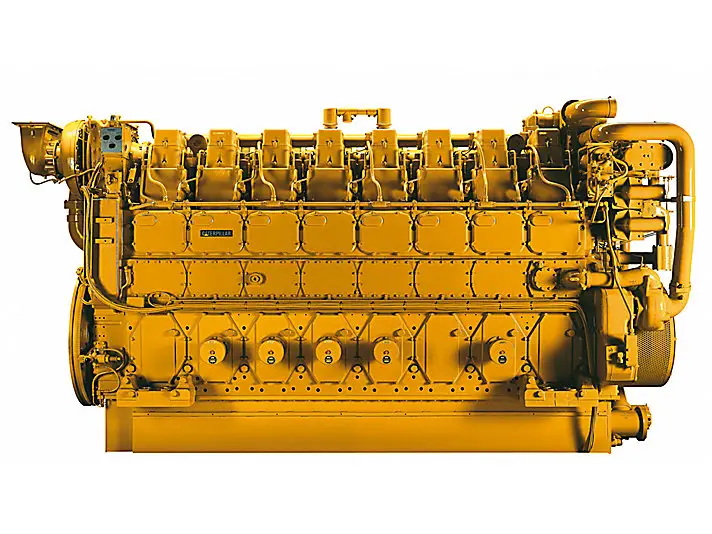
As a leading company in the maritime industry, we pride ourselves on our extensive expertise in Caterpillar marine engines. Our services encompass the complete lifecycle of these engines, including sales, spare parts supply, repair, and troubleshooting. We understand the critical role that Caterpillar engines play in the maritime sector, powering vessels across the globe with unmatched reliability and performance. Our commitment to excellence ensures that your fleet operates smoothly and efficiently, regardless of the challenges it faces at sea.

Sales of Caterpillar Marine Engines

We offer a comprehensive range of Caterpillar marine engines, catering to diverse vessel types and operational needs. Whether you require a robust engine for a cargo ship, a fuel-efficient option for a fishing vessel, or a powerful solution for a high-performance yacht, our sales team is equipped with the knowledge and experience to help you select the ideal engine model. We provide engines from the renowned Caterpillar C series, 3500 series, 3600 series, and more, all backed by manufacturer warranties and our exceptional customer service.

Our team collaborates closely with shipowners, shipbuilders, and operators to understand their specific requirements, providing tailored engine solutions that maximize performance and minimize operating costs. We also offer financing options and flexible delivery schedules to ensure that our clients receive the best possible value for their investment.

Spare Parts Supply

Understanding the importance of minimizing downtime in marine operations, we maintain a vast inventory of genuine Caterpillar spare parts. From fuel injectors, filters, and pistons to gaskets, bearings, and turbochargers, our stock includes every component necessary to keep your Caterpillar engine running at peak efficiency.

Our spare parts are sourced directly from Caterpillar to guarantee authenticity and reliability. We offer quick delivery worldwide to ensure that you receive the necessary components when you need them most. Our dedicated parts team is also available to provide expert advice on part selection, compatibility, and installation, ensuring that your engine remains in optimal condition.

Repair and Maintenance Services

We provide comprehensive repair and maintenance services for Caterpillar marine engines, carried out by highly skilled technicians with extensive experience in the maritime industry. Our team is trained to handle all aspects of engine maintenance, from routine inspections and oil changes to complete overhauls and rebuilds.

Our repair services include:

– Engine Overhauls: Full disassembly, cleaning, inspection, and replacement of worn parts to restore your engine to its original performance standards.

– Component Repair and Replacement: Targeted repairs for critical components such as fuel systems, turbochargers, cooling systems, and exhaust systems.

– Preventive Maintenance: Scheduled maintenance programs designed to prevent breakdowns and extend the lifespan of your engine, including oil analysis, vibration analysis, and routine inspections.

– Emergency Repairs: Rapid response services for unexpected breakdowns or malfunctions, minimizing downtime and ensuring your vessel is back in operation as quickly as possible.

We use state-of-the-art diagnostic tools and equipment to identify and resolve issues accurately, ensuring that all repairs meet the highest quality and safety standards.

Advanced Troubleshooting and Diagnostics

Our expertise extends beyond routine maintenance and repairs to include advanced troubleshooting and diagnostics. We employ the latest diagnostic technologies and methodologies to quickly identify the root causes of engine problems, reducing downtime and repair costs.

Our technicians are trained to recognize and diagnose complex issues such as:

– Fuel System Failures: Identifying blockages, leaks, or injector malfunctions that can lead to reduced performance or engine damage.

– Electrical and Sensor Faults: Diagnosing faults in the engine control module (ECM), sensors, or wiring that can cause engine misfires, shutdowns, or irregularities.

– Cooling System Problems: Detecting issues such as water pump failures, thermostat malfunctions, or coolant leaks that can lead to overheating and engine damage.

– Mechanical Wear and Tear: Assessing the condition of internal components such as bearings, pistons, and valves to prevent catastrophic failures.

Our troubleshooting services are complemented by detailed reports and recommendations, enabling our clients to make informed decisions regarding repairs, replacements, and ongoing maintenance.

Commitment to Quality and Customer Satisfaction

Our commitment to quality is reflected in every aspect of our services. We adhere to the strictest industry standards, utilizing genuine Caterpillar parts and following the manufacturer’s guidelines for repairs and maintenance. Our goal is to provide reliable, efficient, and cost-effective solutions that enhance the performance and longevity of your Caterpillar marine engines.

We believe in building long-term relationships with our clients by providing exceptional service and support. Our customer service team is available 24/7 to answer questions, provide technical assistance, and ensure that you receive the help you need whenever you need it.

Conclusion

With our extensive expertise in Caterpillar marine engines, we offer a complete range of services, from sales and spare parts supply to repair and advanced troubleshooting. Our dedication to excellence ensures that your engines remain in top condition, delivering the performance and reliability you expect from a world-class brand like Caterpillar. Trust us to be your partner in keeping your fleet running smoothly and efficiently, no matter where your voyages take you.

Here are 40 common, critical, and important technical questions and answers specifically related to Caterpillar engines on ships:

1. What Types of Caterpillar Engines Are Commonly Used on Ships?

Common Caterpillar engines used on ships include the CAT 3500 series, CAT 3600 series, CAT C32, CAT C18, and CAT C9 marine propulsion engines.

2. How Often Should Oil Changes Be Performed on Caterpillar Marine Engines?

Oil changes should be performed every 250 to 500 hours of operation, depending on engine type, operating conditions, and manufacturer’s recommendations.

3. What Are the Signs of Engine Overheating in a Caterpillar Marine Engine?

Signs include high coolant temperature readings, alarms sounding, reduced engine performance, visible steam or smoke, and the smell of burning materials.

4. How Can You Prevent Fuel Contamination in Caterpillar Marine Engines?

Prevent fuel contamination by regularly inspecting and cleaning fuel tanks, replacing fuel filters, using high-quality fuel, and avoiding water ingress into the fuel system.

5. What Is the Proper Procedure for Starting a Caterpillar Marine Engine?

The procedure includes performing a pre-start inspection, checking oil and coolant levels, verifying fuel supply, ensuring all systems are in the correct position, and following the start-up sequence outlined in the engine manual.

6. How Do You Check the Cooling System of a Caterpillar Marine Engine?

Check the coolant level, inspect the coolant for contaminants or discoloration, ensure proper operation of the seawater pump, and examine hoses and connections for leaks or damage.

7. What Causes Excessive Black Smoke Emission from a Caterpillar Engine?

Excessive black smoke may be caused by incomplete combustion due to a clogged air filter, poor fuel quality, injector problems, overloading, or turbocharger failure.

8. How Do You Troubleshoot a Caterpillar Engine That Won’t Start?

Check for fuel supply issues, battery charge, starter motor function, ignition system faults, blocked fuel filters, or safety interlocks that may prevent starting.

9. What Maintenance Should Be Performed on a Caterpillar Engine’s Turbocharger?

Regularly inspect for oil leaks, check for unusual noises or vibrations, ensure air filters are clean, and clean or replace the turbocharger as needed based on wear and manufacturer guidelines.

10. How Do You Properly Store a Caterpillar Marine Engine When Not in Use?

Drain fuel and coolant, lubricate components, seal openings to prevent moisture ingress, disconnect the battery, and store the engine in a dry, temperature-controlled environment.

11. What Is the Role of the Fuel Injection System in Caterpillar Engines?

The fuel injection system delivers the correct amount of fuel at the proper pressure and timing to ensure efficient combustion and optimal engine performance.

12. How Do You Check Compression in a Caterpillar Marine Engine?

Perform a compression test using a compression gauge on each cylinder to measure pressure levels, ensuring they meet the specifications listed in the engine manual.

13. What Could Cause Low Oil Pressure in a Caterpillar Marine Engine?

Low oil pressure can be caused by a worn-out oil pump, clogged oil filters, insufficient oil levels, worn bearings, or leaks in the lubrication system.

14. How Do You Calibrate Fuel Injectors on Caterpillar Engines?

Follow the manufacturer’s procedure, which usually involves setting the injector’s pressure and timing using specialized tools and adjusting the fuel delivery rate according to specifications.

15. What Are Common Causes of Engine Knock in Caterpillar Marine Engines?

Engine knock can result from improper fuel quality, incorrect fuel injection timing, carbon buildup in the cylinders, or excessive wear of internal components.

16. How Often Should Air Filters Be Replaced on Caterpillar Marine Engines?

Air filters should be inspected regularly and replaced every 1,000 to 2,000 hours, or as recommended by the manufacturer, depending on operating conditions.

17. What Is the Correct Procedure for Adjusting Valve Clearances on a Caterpillar Engine?

Follow the manufacturer’s instructions: ensure the engine is cold, set the engine to Top Dead Center (TDC) for each cylinder, and use feeler gauges to adjust the clearance to the specified values.

18. How Do You Test the Alternator on a Caterpillar Marine Engine?

Use a multimeter to check the voltage output while the engine is running; it should match the specifications (usually between 13.5 and 14.5 volts for a 12V system).

19. What Is the Purpose of a Crankcase Ventilation System in Caterpillar Engines?

The crankcase ventilation system removes blow-by gases from the engine crankcase, preventing pressure buildup and protecting engine components from contamination and corrosion.

20. How Do You Diagnose a Faulty Cooling Pump on a Caterpillar Engine?

Check for unusual noises, leaks, inadequate coolant flow, overheating, or visible damage to the pump components.

21. What Are the Consequences of Using Incorrect Fuel in a Caterpillar Marine Engine?

Using incorrect fuel can cause poor engine performance, increased emissions, fuel system damage, injector clogging, and potential engine failure.

22. How Do You Bleed Air from the Fuel System of a Caterpillar Marine Engine?

Open the bleed screws on the fuel injectors or fuel lines, pump the manual fuel pump until fuel flows without air bubbles, then close the screws.

23. What Is the Recommended Coolant for Caterpillar Marine Engines?

Use Caterpillar Extended Life Coolant (ELC) or other approved marine-grade coolants that meet Caterpillar’s specifications.

24. How Do You Identify and Fix Oil Leaks in Caterpillar Engines?

Inspect seals, gaskets, and hoses for damage, tighten loose fittings, replace damaged components, and clean the affected areas to identify the leak source.

25. What Should You Do If a Caterpillar Engine Overheats?

Stop the engine immediately, check coolant levels, inspect for leaks, verify the operation of cooling fans and pumps, and look for blockages in the cooling system.

26. How Can You Improve Fuel Efficiency in Caterpillar Marine Engines?

Regularly maintain the engine, keep the hull clean, ensure proper propeller size and pitch, monitor fuel consumption, and optimize speed and load conditions.

27. What Causes White Smoke Emission from a Caterpillar Marine Engine?

White smoke is usually caused by incomplete combustion due to low compression, water or coolant entering the combustion chamber, or a faulty injector.

28. How Do You Maintain the Exhaust System on Caterpillar Engines?

Regularly inspect for cracks, corrosion, blockages, and loose connections, clean the exhaust manifold and muffler, and replace damaged components.

29. What Is the Role of the Engine Control Module (ECM) in Caterpillar Marine Engines?

The ECM manages engine operation by controlling fuel injection, air intake, ignition timing, and other parameters to optimize performance and efficiency.

30. How Do You Perform a Load Test on a Caterpillar Engine?

Use a dynamometer to apply load to the engine while monitoring key performance metrics such as fuel consumption, exhaust temperature, and power output.

31. What Are the Common Causes of Turbocharger Failure in Caterpillar Engines?

Common causes include oil contamination, lack of lubrication, foreign object damage, excessive exhaust temperature, and improper maintenance.

32. How Do You Check for Water Contamination in Fuel?

Use a water-finding paste on the bottom of the fuel tank dipstick or take fuel samples and inspect them for clarity and separation layers.

33. What Are the Recommended Intervals for Changing Fuel Filters on Caterpillar Marine Engines?

*Answer:* Fuel filters should be changed every 500 hours or as specified by the manufacturer, depending on fuel quality and operating conditions.

34. How Do You Perform a Sea Trial After Major Repairs on a Caterpillar Engine?

*Answer:* Perform a sea trial by gradually increasing engine speed while monitoring temperature, pressure, vibrations, and other critical parameters to ensure proper operation under load.

35. What Are the Consequences of Ignoring Regular Maintenance on Caterpillar Marine Engines?

Ignoring regular maintenance can lead to increased wear, reduced efficiency, higher fuel consumption, unexpected breakdowns, and costly repairs.

36. How Do You Handle a Sudden Drop in Engine RPM on a Caterpillar Marine Engine?

Check for fuel supply issues, air intake restrictions, electrical faults, sensor malfunctions, or load changes that could cause the RPM drop.

37. What Are the Recommended Practices for Extending the Life of Caterpillar Marine Engines?

Regular maintenance, using high-quality fluids and filters, monitoring engine performance, timely repairs, and operating within manufacturer-recommended parameters are essential practices.

38. How Do You Detect and Repair Cavitation Damage in Marine Engines?

Cavitation damage can be detected by visual inspection for pitting or erosion on the propeller or impeller surfaces and repaired by replacing or resurfacing damaged parts.

39. What Should You Do in Case of an Emergency Shutdown of a Caterpillar Engine?

Follow emergency shutdown procedures by securing fuel supply, disconnecting power, stopping coolant flow, and ensuring the engine is safely cooled down.

40. How Do You Ensure Compliance with Emissions Regulations for Caterpillar Marine Engines?

Ensure compliance by using low-sulfur fuels, installing emissions control devices (such as scrubbers or catalytic converters), performing regular maintenance

2024-10-20T17:59:48+03:00February 9th, 2024|Services|

Ship Repair and Drydocking

Ship Repair and Drydocking

Ship Repair and Drydocking

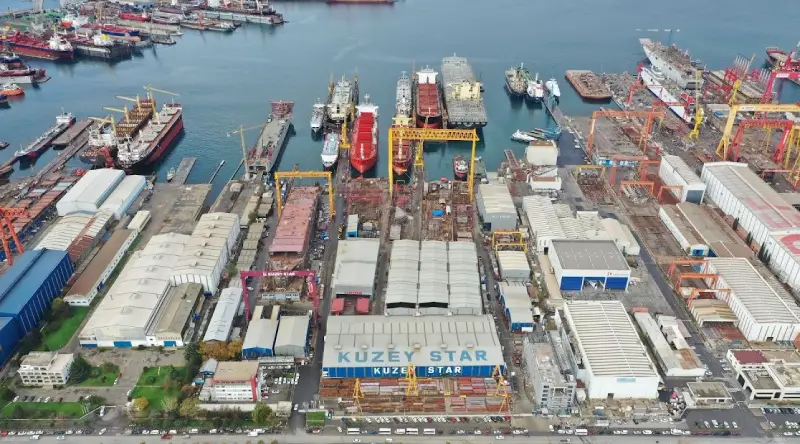
Offers top-notch drydock and ship repair services in Turkey. With strategic partnerships and state-of-the-art facilities, we accommodate various vessel sizes. Our skilled technicians provide high-quality repairs, adhering to industry standards. Committed to customer satisfaction, we deliver tailored solutions to exceed expectations on every project.

1. What is Drydocking?

Drydocking is the process of taking a ship out of the water to perform maintenance, repairs, or inspections on parts of the vessel that are usually submerged, such as the hull, propellers, and rudders.

2. Why is Drydocking Necessary for Ships?

Drydocking is necessary to maintain the vessel’s structural integrity, ensure safety, comply with regulatory standards, and perform essential repairs or maintenance that cannot be done while the ship is afloat.

3. How Often Must Ships Undergo Drydocking?

Ships are generally required to undergo drydocking at least once every 5 years, depending on the ship’s type, age, and operational conditions, as well as regulatory requirements.

4. What Types of Repairs Are Commonly Conducted During Drydocking?

Common repairs include hull cleaning and painting, propeller and rudder inspections, machinery overhauls, steel repairs, and replacement of underwater fittings.

5. How Is the Drydocking Process Carried Out?

The process involves placing the ship in a drydock (a specialized dock or slipway that can be flooded and then drained), securing it in place, draining the water, and then carrying out the necessary repairs and maintenance.

6. What Are the Different Types of Drydocks?

The two main types of drydocks are graving docks (permanent, excavated docks) and floating docks (moveable platforms that can be submerged and raised to lift a vessel out of the water).

7. What Safety Measures Are Taken During Ship Repair and Drydocking?

Safety measures include risk assessments, use of personal protective equipment (PPE), regular safety drills, fire prevention protocols, confined space entry procedures, and continuous monitoring for hazardous conditions.

8. How Do You Choose the Right Drydock Facility?

The right drydock facility is chosen based on factors like location, size, available equipment, capacity to handle the specific vessel type, cost, and expertise in the required repairs.

9. What Are the Key Challenges in Ship Repair and Drydocking?

Key challenges include maintaining strict timelines, managing costs, coordinating various teams, ensuring safety, and dealing with unexpected issues that arise during inspections or repairs.

10. What Is a Special Survey, and How Is It Related to Drydocking?

A Special Survey is a thorough inspection required by classification societies, typically conducted every 5 years, to ensure a vessel’s seaworthiness. It usually coincides with drydocking.

11. How Is the Cost of Ship Repair and Drydocking Determined?

The cost is determined based on the scope of work, the extent of damage or wear, the size of the vessel, materials needed, labor costs, and the duration of the repair work.

12. What Role Do Classification Societies Play in Drydocking?

Classification societies set the standards for the construction and maintenance of ships, and they conduct surveys during drydocking to ensure compliance with these standards.

13. How Are Hull Repairs Conducted During Drydocking?

Hull repairs involve cleaning, inspecting for damage or corrosion, welding or replacing damaged sections, applying new coatings, and ensuring the integrity of the hull structure.

14. What Types of Coatings Are Applied During Drydocking?

Types of coatings include anti-fouling paint, which prevents marine growth, and anti-corrosive coatings, which protect the hull and other metal components from rust and deterioration.

15. How Do Shipyards Ensure Quality Control During Repairs?

Shipyards ensure quality control through continuous inspections, use of certified materials, adherence to industry standards, and regular testing of repaired components.

16. What Are the Environmental Considerations During Drydocking?

Environmental considerations include proper disposal of waste materials, controlling emissions, using eco-friendly paints and coatings, and preventing contamination of surrounding water bodies.

17. How Can Drydocking Be Optimized to Minimize Downtime?

Drydocking can be optimized by thorough pre-planning, scheduling multiple tasks concurrently, using advanced tools and technology, and employing a skilled workforce to ensure efficiency.

18. What Are Common Mechanical Repairs Conducted During Drydocking?

Common mechanical repairs include overhauling engines, repairing or replacing pumps and valves, maintenance of steering gear systems, and checking propulsion systems.

19. How Do Shipowners Prepare for Drydocking?

Shipowners prepare for drydocking by arranging all necessary documentation, selecting a suitable drydock facility, coordinating with service providers, and scheduling surveys and inspections.

20. What Happens If Unexpected Damage Is Found During Drydocking?

If unexpected damage is found, the repair scope may be adjusted, additional surveys might be conducted, and shipowners are informed promptly to approve necessary changes and additional repairs.

2024-10-20T18:00:22+03:00February 9th, 2024|Services|
Go to Top