Inspection & Consultancy
Our consultancy services offer clients expert insights and guidance across a range of maritime projects, including pre-purchase inspections, technical condition inspections and technical supervision. We provide reliable support to help clients make informed decisions and optimize the success of their operations.

1. What is Maritime Inspection?
Maritime inspection involves evaluating a ship’s condition, equipment, and operations to ensure compliance with international standards and regulations.
2. Why are Pre-Purchase Inspections Important?
Pre-purchase inspections are important because they help potential buyers assess the current condition and value of a vessel before making a purchase decision, identifying any potential risks or necessary repairs.
3. What Does a Technical Condition Inspection Include?
A technical condition inspection includes a thorough assessment of the ship’s hull, machinery, safety equipment, and other critical systems to evaluate their condition and compliance with regulatory standards.
4. How Often Should Ships Undergo Inspections?
Ships should undergo regular inspections based on flag state requirements, class society rules, and international regulations, often annually or every 2-5 years, depending on the type of inspection.
5. What Are Common Issues Found During Ship Inspections?
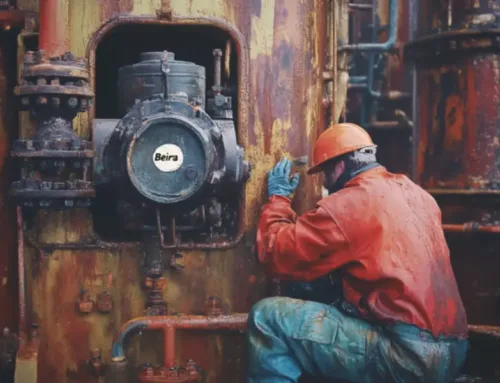
Common issues include corrosion, structural damage, outdated safety equipment, mechanical failures, and non-compliance with environmental regulations.
6. How Can Consultancy Services Benefit Shipowners?
Consultancy services provide expert guidance on compliance, cost management, operational efficiency, and risk mitigation, helping shipowners make informed decisions and optimize their operations.
7. What Role Does a Maritime Consultant Play in New Building Projects?
A maritime consultant assists in new building projects by providing technical advice, overseeing construction to ensure quality standards, and ensuring compliance with regulatory requirements.
8. How Do Consultancy Services Help with Regulatory Compliance?
Consultancy services help by providing up-to-date knowledge of international regulations, assisting in documentation preparation, and ensuring the vessel meets all legal and safety requirements.
9. What is the Importance of Technical Supervision in the Maritime Industry?
Technical supervision ensures that all repair, maintenance, and construction activities are conducted according to the highest standards, minimizing risks and enhancing the vessel’s operational efficiency.
10. What Factors Are Evaluated During a Pre-Purchase Inspection?
Factors include the vessel’s age, maintenance history, structural integrity, machinery condition, safety equipment status, and overall compliance with international standards.
11. How Are Inspection Results Communicated to Clients?
Inspection results are typically communicated through detailed reports that include findings, photos, recommendations, and assessments of the ship’s overall condition and compliance.
12. Can Inspection and Consultancy Services Be Customized?
Yes, services can be tailored to the specific needs of the client, focusing on particular areas of concern, types of vessels, or specific operational requirements.
13. What Are the Key Qualities of a Good Maritime Consultant?
Key qualities include in-depth knowledge of maritime regulations, technical expertise, strong analytical skills, effective communication, and the ability to provide practical solutions.
14. How Do Inspections Contribute to Maritime Safety?
Inspections identify potential risks and non-compliance issues that could compromise the safety of the vessel, its crew, and cargo, thereby preventing accidents and ensuring safe operations.
15. What Tools and Technologies Are Used in Maritime Inspections?
Tools and technologies include drones for visual inspections, ultrasonic thickness gauges for measuring hull integrity, and software for data analysis and reporting.
16. How Do Consultants Help with Environmental Compliance?
Consultants help by providing advice on regulations related to emissions, ballast water management, waste disposal, and other environmental standards, ensuring the vessel operates sustainably.
17. What Is a Condition Assessment Program (CAP)?
A Condition Assessment Program (CAP) is an in-depth evaluation of an older vessel’s structural and mechanical condition, used to extend its operational life and comply with insurance or charter requirements.
18. How Can Consultancy Services Improve Operational Efficiency?
Consultancy services identify areas for improvement in vessel operations, maintenance practices, fuel consumption, and crew management, helping reduce costs and enhance efficiency.
19. What Types of Vessels Can Benefit from Inspection and Consultancy Services?
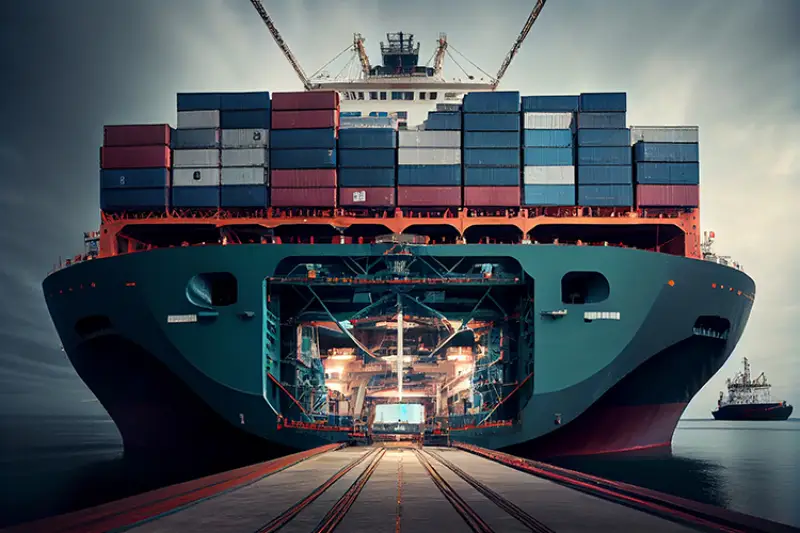
All types of vessels, including tankers, container ships, bulk carriers, passenger ships, and offshore platforms, can benefit from inspection and consultancy services.
20. How Are Inspection Services Priced?
Inspection services are usually priced based on the size and type of the vessel, the scope of the inspection, the duration, and the specific expertise required.