Ship Repair and Drydocking
Offers top-notch drydock and ship repair services in Turkey. With strategic partnerships and state-of-the-art facilities, we accommodate various vessel sizes. Our skilled technicians provide high-quality repairs, adhering to industry standards. Committed to customer satisfaction, we deliver tailored solutions to exceed expectations on every project.

1. What is Drydocking?
Drydocking is the process of taking a ship out of the water to perform maintenance, repairs, or inspections on parts of the vessel that are usually submerged, such as the hull, propellers, and rudders.
2. Why is Drydocking Necessary for Ships?
Drydocking is necessary to maintain the vessel’s structural integrity, ensure safety, comply with regulatory standards, and perform essential repairs or maintenance that cannot be done while the ship is afloat.
3. How Often Must Ships Undergo Drydocking?
Ships are generally required to undergo drydocking at least once every 5 years, depending on the ship’s type, age, and operational conditions, as well as regulatory requirements.
4. What Types of Repairs Are Commonly Conducted During Drydocking?
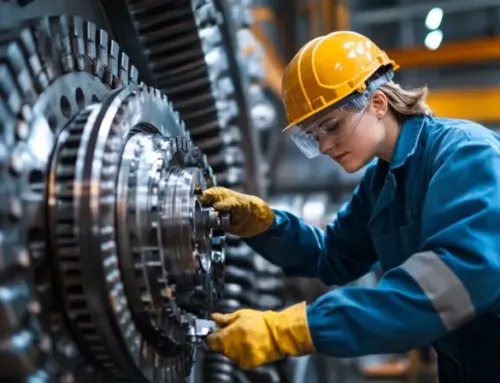
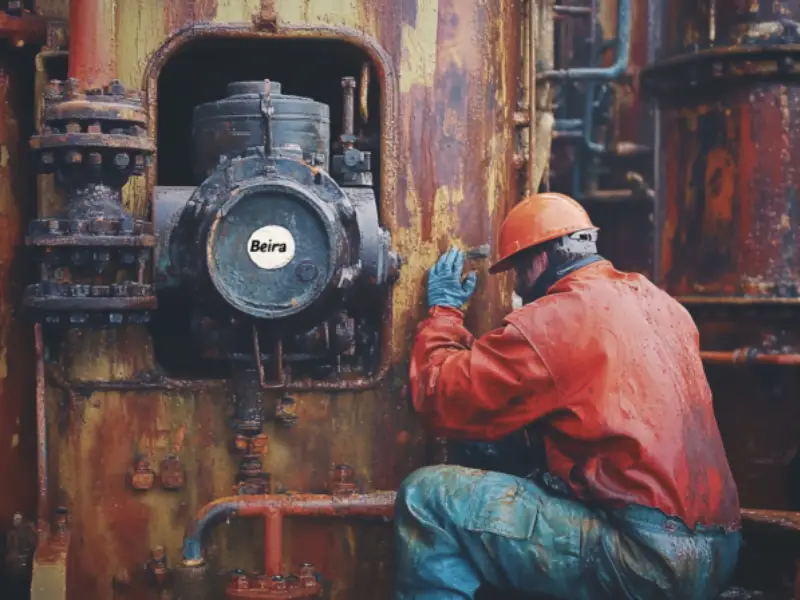
Common repairs include hull cleaning and painting, propeller and rudder inspections, machinery overhauls, steel repairs, and replacement of underwater fittings.
5. How Is the Drydocking Process Carried Out?
The process involves placing the ship in a drydock (a specialized dock or slipway that can be flooded and then drained), securing it in place, draining the water, and then carrying out the necessary repairs and maintenance.
6. What Are the Different Types of Drydocks?
The two main types of drydocks are graving docks (permanent, excavated docks) and floating docks (moveable platforms that can be submerged and raised to lift a vessel out of the water).
7. What Safety Measures Are Taken During Ship Repair and Drydocking?
Safety measures include risk assessments, use of personal protective equipment (PPE), regular safety drills, fire prevention protocols, confined space entry procedures, and continuous monitoring for hazardous conditions.
8. How Do You Choose the Right Drydock Facility?
The right drydock facility is chosen based on factors like location, size, available equipment, capacity to handle the specific vessel type, cost, and expertise in the required repairs.
9. What Are the Key Challenges in Ship Repair and Drydocking?
Key challenges include maintaining strict timelines, managing costs, coordinating various teams, ensuring safety, and dealing with unexpected issues that arise during inspections or repairs.
10. What Is a Special Survey, and How Is It Related to Drydocking?
A Special Survey is a thorough inspection required by classification societies, typically conducted every 5 years, to ensure a vessel’s seaworthiness. It usually coincides with drydocking.
11. How Is the Cost of Ship Repair and Drydocking Determined?
The cost is determined based on the scope of work, the extent of damage or wear, the size of the vessel, materials needed, labor costs, and the duration of the repair work.
12. What Role Do Classification Societies Play in Drydocking?
Classification societies set the standards for the construction and maintenance of ships, and they conduct surveys during drydocking to ensure compliance with these standards.
13. How Are Hull Repairs Conducted During Drydocking?
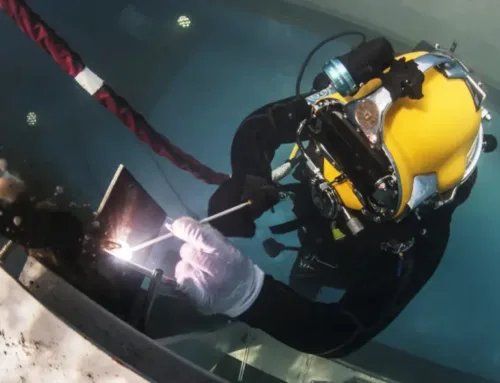
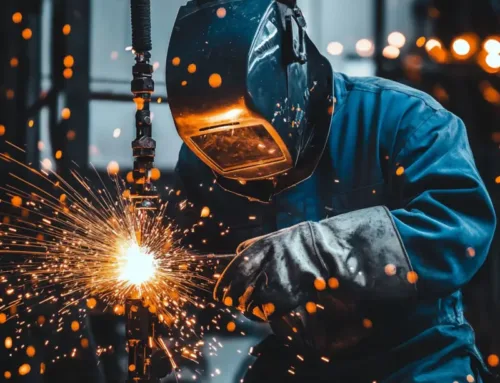
Hull repairs involve cleaning, inspecting for damage or corrosion, welding or replacing damaged sections, applying new coatings, and ensuring the integrity of the hull structure.
14. What Types of Coatings Are Applied During Drydocking?
Types of coatings include anti-fouling paint, which prevents marine growth, and anti-corrosive coatings, which protect the hull and other metal components from rust and deterioration.
15. How Do Shipyards Ensure Quality Control During Repairs?
Shipyards ensure quality control through continuous inspections, use of certified materials, adherence to industry standards, and regular testing of repaired components.
16. What Are the Environmental Considerations During Drydocking?
Environmental considerations include proper disposal of waste materials, controlling emissions, using eco-friendly paints and coatings, and preventing contamination of surrounding water bodies.
17. How Can Drydocking Be Optimized to Minimize Downtime?
Drydocking can be optimized by thorough pre-planning, scheduling multiple tasks concurrently, using advanced tools and technology, and employing a skilled workforce to ensure efficiency.
18. What Are Common Mechanical Repairs Conducted During Drydocking?
Common mechanical repairs include overhauling engines, repairing or replacing pumps and valves, maintenance of steering gear systems, and checking propulsion systems.
19. How Do Shipowners Prepare for Drydocking?
Shipowners prepare for drydocking by arranging all necessary documentation, selecting a suitable drydock facility, coordinating with service providers, and scheduling surveys and inspections.
20. What Happens If Unexpected Damage Is Found During Drydocking?
If unexpected damage is found, the repair scope may be adjusted, additional surveys might be conducted, and shipowners are informed promptly to approve necessary changes and additional repairs.