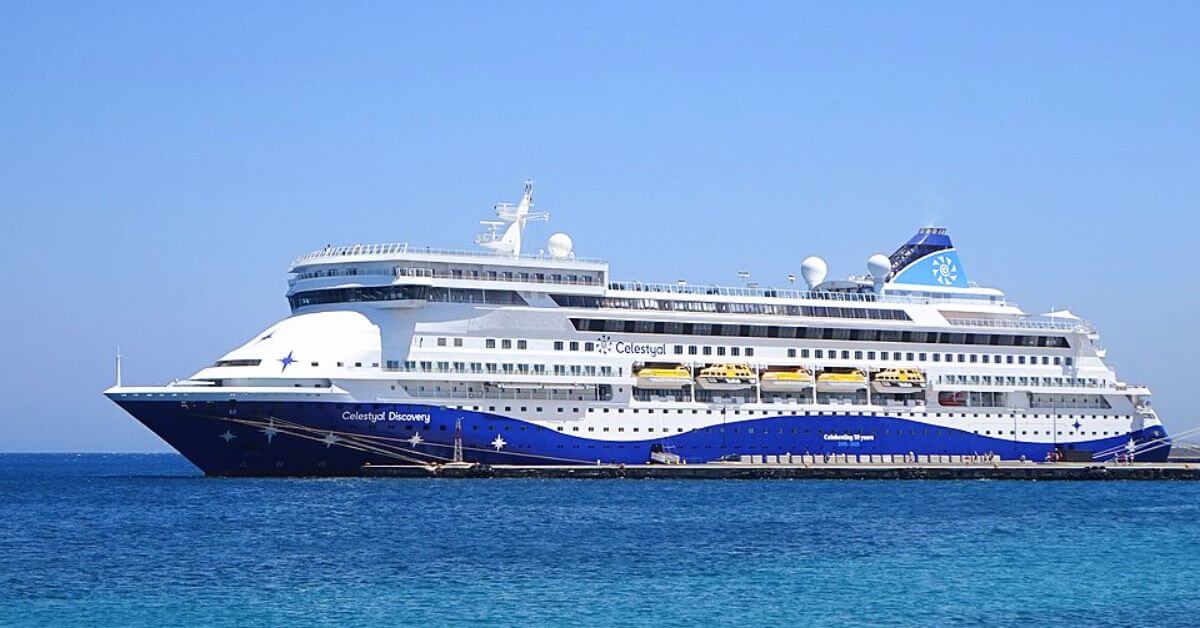
A **Malta-flagged cruise vessel**, the **Celestyal Discovery**, has marked a significant milestone, becoming the **first passenger ship** to successfully transit the highly strategic **Strait of Hormuz** since the onset of the **West Asia conflict**. This movement signals a potential, albeit cautious, easing of the severe disruptions that have plagued **commercial and passenger shipping** in the region for nearly two months.
The **Celestyal Discovery** departed **Dubai** on **April 17**, having remained docked for approximately **47 days**. Its successful passage through the strait was confirmed by **MarineTraffic data**, with the vessel now en route to **Muscat, Oman**, expected to arrive on **April 18**. Reports indicate the cruise ship is currently operating without passengers.
The vessel’s prolonged berthing in **Dubai** since early March underscored the escalating **regional tensions** that had effectively brought much of the **Gulf’s maritime activity** to a standstill. The **Strait of Hormuz**, a critical chokepoint for **global energy markets** and **international shipping**, had seen a sharp decline in **vessel traffic**, with numerous **cruise ships** and **commercial vessels** delaying voyages or remaining anchored due to significant **security concerns**.
This transit by the **Celestyal Discovery** represents the first confirmed movement of a **cruise vessel** through the strait since the conflict intensified in late February. Following this development, signs of a gradual recovery in **maritime traffic** have begun to emerge:
* Multiple **cruise ships** previously held in **Gulf ports**, including vessels in **Doha** and **Abu Dhabi**, are reportedly preparing for departure or have already commenced their journeys.
* Another **Celestyal Cruises** vessel, the **Celestyal Journey**, was also observed departing **Doha** around the same timeframe.
Despite these positive indicators, the situation remains complex. **Iranian authorities** have consistently asserted strict control over navigation through the strait. **Mohammad Bagher Ghalibaf** stated that passage would only be permitted via designated routes and with explicit **Iranian authorization**. Further clarification from Iran’s Foreign Ministry suggested that shipping would be allowed along pre-determined corridors, while also warning that continued restrictions on **Iranian ports** could trigger **reciprocal measures**.
On the international front, **Donald Trump** commented on the situation, claiming the strait was open for business but affirming that **US naval measures** against Iran would remain in place until a complete agreement is reached. The **United States** had previously implemented a **naval blockade** targeting **Iranian ports**, threatening strong action against any challenges.
The current **ceasefire**, which has facilitated this limited resumption of **maritime activity**, is scheduled to expire on **April 22**, though there are suggestions it could be extended. Prior to the conflict, the **Strait of Hormuz** was responsible for the transit of nearly one-fifth of the world’s **oil and gas supplies**, cementing its status as an indispensable artery for **global trade**.
This cautious reopening of the **Strait of Hormuz** offers a glimmer of hope for the beleaguered **shipping industry** and **global supply chains**, yet the underlying **geopolitical complexities** continue to dictate the pace and permanence of recovery.
#StraitOfHormuz #MaritimeSecurity #CruiseShipping #WestAsiaConflict #GlobalTrade #EnergyMarkets #ShippingNews #CelestyalDiscovery #Geopolitics #SupplyChain