In a significant development for global **maritime trade** and **regional stability**, Iran has directed its **Strait authority** to accelerate the approval process for vessels traversing the critical **Strait of Hormuz**. This strategic move is a direct outcome of a new **memorandum of understanding (MoU)** forged between Tehran and Washington, as confirmed by Iran’s Supreme National Security Council and state media.
The **Persian Gulf Strait Authority** is now tasked with issuing swifter authorizations for ships seeking passage through the vital waterway. This operational change aims to enhance efficiency and reduce potential delays in one of the world’s most crucial shipping lanes.
Key aspects of the new agreement and related developments include:
* **Faster Approvals**: The **Persian Gulf Strait Authority** will streamline the authorization process for vessels, aiming to improve the flow of **maritime traffic**.
* **Mine Clearance Protocols**: Measures related to **mine clearance** will be executed under the existing Islamabad MoU framework, reinforcing safety protocols in the region.
* **Temporary Fee Waiver**: Iran has introduced a temporary **60-day waiver** on **passage fees** for foreign vessels, with the Iranian government absorbing these costs. This initiative is expected to provide immediate economic relief for shipping companies.
* **Continued Adherence to Rules**: Despite faster clearances, all vessels are still mandated to strictly adhere to established routes and timings set by the authority, ensuring orderly passage.
The **Strait of Hormuz** remains an indispensable conduit for a substantial portion of the world’s **oil and cargo shipments**. Any adjustments to its operational guidelines carry profound implications for international **shipping** and the global **energy trade**.
Concurrently, the **US-led Combined Maritime Forces’ Joint Maritime Information Centre** has announced a reduction in the **maritime security threat level** within the **Strait of Hormuz** to “moderate.” This reassessment suggests an improved security environment for shipping operations.
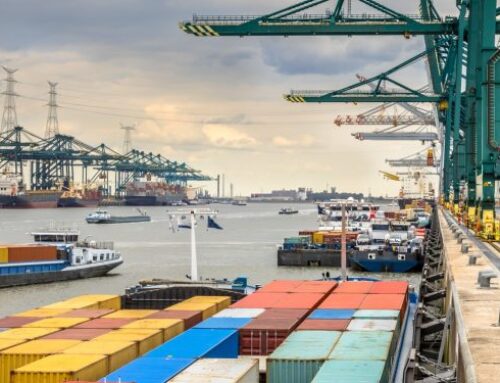
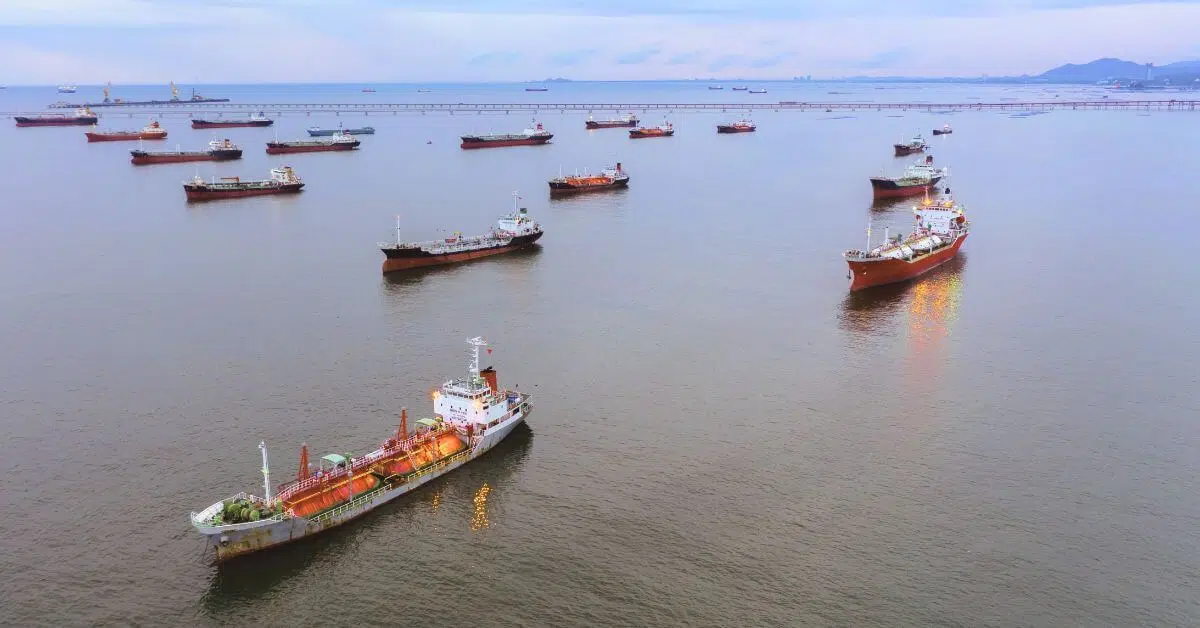
Further signaling a de-escalation, **US Central Command** confirmed the lifting of a blockade on **maritime traffic** entering and exiting Iranian ports and coastal areas. While **US naval ships** will maintain their presence in the broader region, this action reflects a positive shift in **US-Iran relations** concerning maritime access. An image from Iran’s ISNA news agency, dated June 18, 2026, depicted vessels anchored at Bandar Abbas near the **Strait of Hormuz**, underscoring ongoing activity in the area.
Even with these positive developments, including expedited approvals and reduced perceived risks, the emphasis remains on strict adherence to routing rules and timing instructions. **Security measures** and a **naval presence** will continue to be maintained to ensure the safety and stability of **maritime operations** in this strategically vital corridor.
#StraitOfHormuz #IranShipping #MaritimeSecurity #GlobalTrade #OilShipments #USIranRelations #PersianGulf #VesselClearances #ShippingNews #Geopolitics