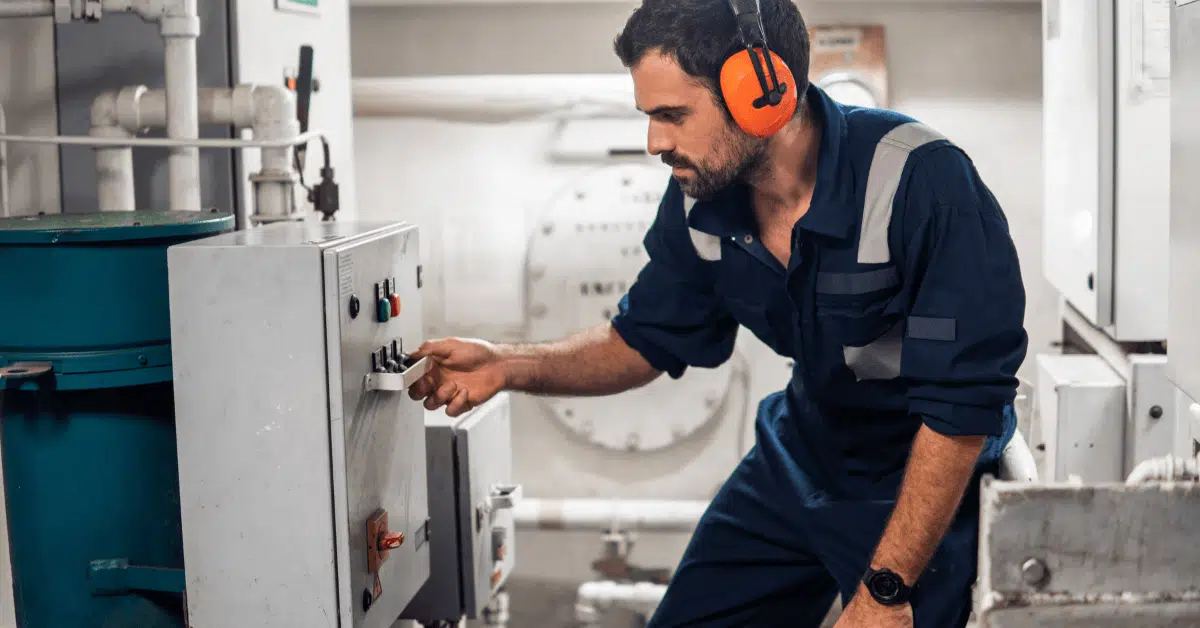
The efficient operation of an Oily Water Separator (OWS) is paramount for any vessel, ensuring strict compliance with international environmental regulations, particularly MARPOL Annex I. For ship engineers, mastering the maintenance of this critical system is not just about operational efficiency; it’s about safeguarding marine ecosystems and avoiding severe penalties. This article outlines ten essential maintenance tips that every marine engineer must integrate into their routine to ensure optimal OWS performance and environmental compliance.
- Regular Cleaning of Coalescer Plates/Filters: Over time, oil and particulate matter accumulate on coalescer plates and filters, significantly reducing separation efficiency. Regular cleaning or replacement, as per manufacturer guidelines, is crucial for maintaining performance.
- Monitor Oil Content Meter (OCM) Calibration: The Oil Content Meter (OCM) is the primary guardian of discharge quality. Frequent calibration and verification against a known standard are vital to ensure accurate readings and prevent non-compliant discharges.
- Inspect and Clean Sensors: OWS systems rely on various sensors (oil level, interface, pressure) for accurate operation. Keep these sensors clean and free from fouling to ensure precise data input for the control system.
- Check Pump Performance: The condition of the feed pump significantly impacts separation efficiency. Ensure the pump is operating within its specified parameters, checking for cavitation or excessive wear that could emulsify oil.
- Maintain Proper Bilge Water Management: The quality of bilge water fed to the OWS directly affects its performance. Minimize emulsification by avoiding aggressive pumping and mixing of different waste streams before separation.
- Verify Heater Functionality: For heavier oils, heating the bilge water can significantly improve separation efficiency by reducing viscosity. Ensure the heater is operational and maintaining the correct temperature as required.
- Regularly Drain Oil Sludge: Accumulated oil sludge in the separator chambers must be drained periodically to prevent re-entrainment of oil into the treated water and maintain effective separation volume.
- Inspect Valves and Piping: Leaking valves or corroded piping can lead to inefficiencies or bypasses within the system. Regular inspection and maintenance of all associated valves and pipework are essential for system integrity.
- Adhere to Manufacturer’s Schedule: Always follow the Original Equipment Manufacturer (OEM) maintenance schedule and recommendations for specific components and overall system checks to ensure longevity and reliability.
- Comprehensive Record Keeping: Meticulous logging of all maintenance activities, OWS operations, and discharge records is not only a regulatory requirement but also a valuable tool for troubleshooting and performance analysis.
Diligent maintenance of the Oily Water Separator is a cornerstone of responsible ship operation. By consistently applying these ten critical tips, ship engineers can ensure their vessels remain compliant with international environmental standards, protect marine life, and uphold the highest operational integrity. Proactive maintenance is not merely a task; it is a commitment to environmental stewardship and operational excellence.
#OWSMaintenance #MarineEngineering #ShipOperations #EnvironmentalCompliance #MARPOL #BilgeWater #MaritimeSafety #ShipEngineer #PollutionPrevention #VesselMaintenance