A recent harrowing incident involving a general cargo vessel, which tragically broke in two within a harbour breakwater during a severe storm, has prompted The Nautical Institute to issue vital lessons learned for the maritime community. The event underscores the critical importance of anticipating risks and having robust contingency plans in place.
The incident unfolded when a small general cargo vessel, carrying a crew of 13, arrived in ballast at its designated loading port. Initially instructed to anchor outside the breakwater while awaiting an available berth, the vessel found itself in increasingly precarious conditions as severe weather began to develop five days later. Strong onshore winds and high waves were forecast, posing a significant threat to the vessel, which was limited by its Load Line and Class Certificate to operating within specific wave height and offshore distance parameters.
Recognizing the escalating danger, the vessel’s Master sought and obtained permission from port authorities to relocate to a more protected anchorage inside the harbour breakwater. However, the respite was short-lived. Days later, the weather dramatically worsened again, with winds exceeding 50 knots.
Despite the initial protection offered by the breakwater, a shift in the storm’s direction to the southwest exposed the vessel to heavy seas and waves funnelling through the breakwater entrance. The vessel, even with its main engine engaged, could not maintain its position and began to drag anchor. A desperate call for tug assistance went unanswered, as the dangerous conditions prevented tugs from leaving their berths. It became tragically clear that a ‘Plan B’ was no longer an option.
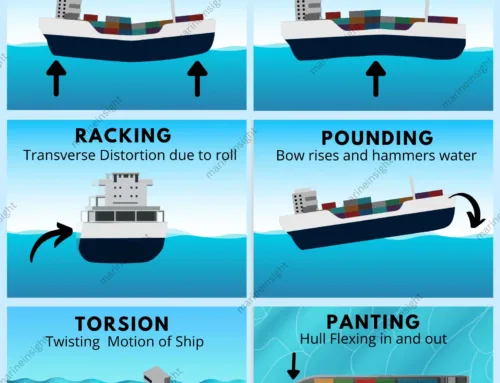
Under the relentless assault of gales and very large waves, the vessel’s hull was stressed beyond its limits, leading to its catastrophic fracture into two pieces. Both sections drifted ashore. Miraculously, all 13 crew members were successfully rescued, averting a greater tragedy.
The Nautical Institute’s analysis of the incident highlights crucial takeaways for maritime safety and port operations:
* **Vulnerability Within Ports:** Even within the perceived safety of a harbour, weather-related wind and waves can severely impact anchorage or berthing security.
* **Proactive Planning is Paramount:** The incident starkly illustrates the necessity of staying one step ahead of events. Having a comprehensive ‘Plan B’ ready, and executing it pre-emptively, is non-negotiable. In this particular case, the only truly safe option, in retrospect, would have been to secure a berth before the storm’s full fury descended.
This maritime accident serves as a stark reminder for all stakeholders in the shipping industry to prioritize emergency preparedness, conduct thorough risk assessments, and ensure that proactive measures are always in place to safeguard vessels and their crews against the unpredictable forces of nature.
#MaritimeSafety #ShippingNews #VesselIncident #StormDamage #AnchorDrag #PortOperations #NauticalInstitute #MarineAccident #EmergencyPreparedness #SeafarerSafety