Introduction
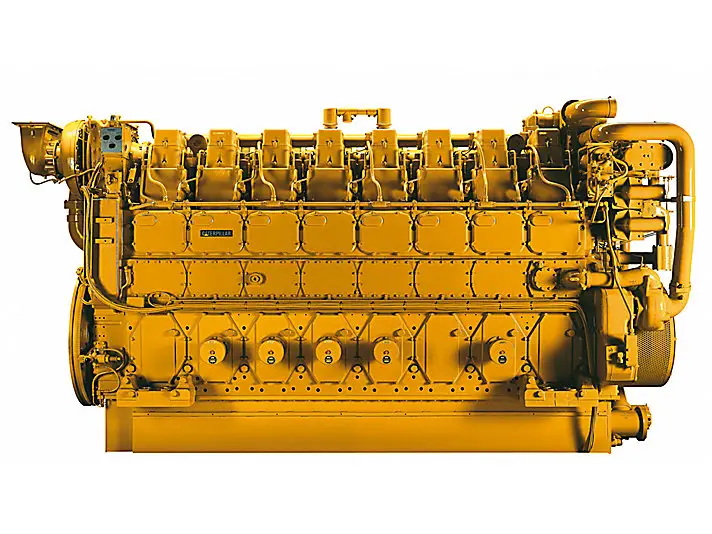
As a leading company in the maritime industry, we pride ourselves on our extensive expertise in Caterpillar marine engines. Our services encompass the complete lifecycle of these engines, including sales, spare parts supply, repair, and troubleshooting. We understand the critical role that Caterpillar engines play in the maritime sector, powering vessels across the globe with unmatched reliability and performance. Our commitment to excellence ensures that your fleet operates smoothly and efficiently, regardless of the challenges it faces at sea.
Sales of Caterpillar Marine Engines
We offer a comprehensive range of Caterpillar marine engines, catering to diverse vessel types and operational needs. Whether you require a robust engine for a cargo ship, a fuel-efficient option for a fishing vessel, or a powerful solution for a high-performance yacht, our sales team is equipped with the knowledge and experience to help you select the ideal engine model. We provide engines from the renowned Caterpillar C series, 3500 series, 3600 series, and more, all backed by manufacturer warranties and our exceptional customer service.
Our team collaborates closely with shipowners, shipbuilders, and operators to understand their specific requirements, providing tailored engine solutions that maximize performance and minimize operating costs. We also offer financing options and flexible delivery schedules to ensure that our clients receive the best possible value for their investment.
Spare Parts Supply
Understanding the importance of minimizing downtime in marine operations, we maintain a vast inventory of genuine Caterpillar spare parts. From fuel injectors, filters, and pistons to gaskets, bearings, and turbochargers, our stock includes every component necessary to keep your Caterpillar engine running at peak efficiency.
Our spare parts are sourced directly from Caterpillar to guarantee authenticity and reliability. We offer quick delivery worldwide to ensure that you receive the necessary components when you need them most. Our dedicated parts team is also available to provide expert advice on part selection, compatibility, and installation, ensuring that your engine remains in optimal condition.
Repair and Maintenance Services
We provide comprehensive repair and maintenance services for Caterpillar marine engines, carried out by highly skilled technicians with extensive experience in the maritime industry. Our team is trained to handle all aspects of engine maintenance, from routine inspections and oil changes to complete overhauls and rebuilds.
Our repair services include:
– Engine Overhauls: Full disassembly, cleaning, inspection, and replacement of worn parts to restore your engine to its original performance standards.
– Component Repair and Replacement: Targeted repairs for critical components such as fuel systems, turbochargers, cooling systems, and exhaust systems.
– Preventive Maintenance: Scheduled maintenance programs designed to prevent breakdowns and extend the lifespan of your engine, including oil analysis, vibration analysis, and routine inspections.
– Emergency Repairs: Rapid response services for unexpected breakdowns or malfunctions, minimizing downtime and ensuring your vessel is back in operation as quickly as possible.
We use state-of-the-art diagnostic tools and equipment to identify and resolve issues accurately, ensuring that all repairs meet the highest quality and safety standards.
Advanced Troubleshooting and Diagnostics
Our expertise extends beyond routine maintenance and repairs to include advanced troubleshooting and diagnostics. We employ the latest diagnostic technologies and methodologies to quickly identify the root causes of engine problems, reducing downtime and repair costs.
Our technicians are trained to recognize and diagnose complex issues such as:
– Fuel System Failures: Identifying blockages, leaks, or injector malfunctions that can lead to reduced performance or engine damage.
– Electrical and Sensor Faults: Diagnosing faults in the engine control module (ECM), sensors, or wiring that can cause engine misfires, shutdowns, or irregularities.
– Cooling System Problems: Detecting issues such as water pump failures, thermostat malfunctions, or coolant leaks that can lead to overheating and engine damage.
– Mechanical Wear and Tear: Assessing the condition of internal components such as bearings, pistons, and valves to prevent catastrophic failures.
Our troubleshooting services are complemented by detailed reports and recommendations, enabling our clients to make informed decisions regarding repairs, replacements, and ongoing maintenance.
Commitment to Quality and Customer Satisfaction
Our commitment to quality is reflected in every aspect of our services. We adhere to the strictest industry standards, utilizing genuine Caterpillar parts and following the manufacturer’s guidelines for repairs and maintenance. Our goal is to provide reliable, efficient, and cost-effective solutions that enhance the performance and longevity of your Caterpillar marine engines.
We believe in building long-term relationships with our clients by providing exceptional service and support. Our customer service team is available 24/7 to answer questions, provide technical assistance, and ensure that you receive the help you need whenever you need it.
Conclusion
With our extensive expertise in Caterpillar marine engines, we offer a complete range of services, from sales and spare parts supply to repair and advanced troubleshooting. Our dedication to excellence ensures that your engines remain in top condition, delivering the performance and reliability you expect from a world-class brand like Caterpillar. Trust us to be your partner in keeping your fleet running smoothly and efficiently, no matter where your voyages take you.
Here are 40 common, critical, and important technical questions and answers specifically related to Caterpillar engines on ships:
1. What Types of Caterpillar Engines Are Commonly Used on Ships?
Common Caterpillar engines used on ships include the CAT 3500 series, CAT 3600 series, CAT C32, CAT C18, and CAT C9 marine propulsion engines.
2. How Often Should Oil Changes Be Performed on Caterpillar Marine Engines?
Oil changes should be performed every 250 to 500 hours of operation, depending on engine type, operating conditions, and manufacturer’s recommendations.
3. What Are the Signs of Engine Overheating in a Caterpillar Marine Engine?
Signs include high coolant temperature readings, alarms sounding, reduced engine performance, visible steam or smoke, and the smell of burning materials.
4. How Can You Prevent Fuel Contamination in Caterpillar Marine Engines?
Prevent fuel contamination by regularly inspecting and cleaning fuel tanks, replacing fuel filters, using high-quality fuel, and avoiding water ingress into the fuel system.
5. What Is the Proper Procedure for Starting a Caterpillar Marine Engine?
The procedure includes performing a pre-start inspection, checking oil and coolant levels, verifying fuel supply, ensuring all systems are in the correct position, and following the start-up sequence outlined in the engine manual.
6. How Do You Check the Cooling System of a Caterpillar Marine Engine?
Check the coolant level, inspect the coolant for contaminants or discoloration, ensure proper operation of the seawater pump, and examine hoses and connections for leaks or damage.
7. What Causes Excessive Black Smoke Emission from a Caterpillar Engine?
Excessive black smoke may be caused by incomplete combustion due to a clogged air filter, poor fuel quality, injector problems, overloading, or turbocharger failure.
8. How Do You Troubleshoot a Caterpillar Engine That Won’t Start?
Check for fuel supply issues, battery charge, starter motor function, ignition system faults, blocked fuel filters, or safety interlocks that may prevent starting.
9. What Maintenance Should Be Performed on a Caterpillar Engine’s Turbocharger?
Regularly inspect for oil leaks, check for unusual noises or vibrations, ensure air filters are clean, and clean or replace the turbocharger as needed based on wear and manufacturer guidelines.
10. How Do You Properly Store a Caterpillar Marine Engine When Not in Use?
Drain fuel and coolant, lubricate components, seal openings to prevent moisture ingress, disconnect the battery, and store the engine in a dry, temperature-controlled environment.
11. What Is the Role of the Fuel Injection System in Caterpillar Engines?
The fuel injection system delivers the correct amount of fuel at the proper pressure and timing to ensure efficient combustion and optimal engine performance.
12. How Do You Check Compression in a Caterpillar Marine Engine?
Perform a compression test using a compression gauge on each cylinder to measure pressure levels, ensuring they meet the specifications listed in the engine manual.
13. What Could Cause Low Oil Pressure in a Caterpillar Marine Engine?
Low oil pressure can be caused by a worn-out oil pump, clogged oil filters, insufficient oil levels, worn bearings, or leaks in the lubrication system.
14. How Do You Calibrate Fuel Injectors on Caterpillar Engines?
Follow the manufacturer’s procedure, which usually involves setting the injector’s pressure and timing using specialized tools and adjusting the fuel delivery rate according to specifications.
15. What Are Common Causes of Engine Knock in Caterpillar Marine Engines?
Engine knock can result from improper fuel quality, incorrect fuel injection timing, carbon buildup in the cylinders, or excessive wear of internal components.
16. How Often Should Air Filters Be Replaced on Caterpillar Marine Engines?
Air filters should be inspected regularly and replaced every 1,000 to 2,000 hours, or as recommended by the manufacturer, depending on operating conditions.
17. What Is the Correct Procedure for Adjusting Valve Clearances on a Caterpillar Engine?
Follow the manufacturer’s instructions: ensure the engine is cold, set the engine to Top Dead Center (TDC) for each cylinder, and use feeler gauges to adjust the clearance to the specified values.
18. How Do You Test the Alternator on a Caterpillar Marine Engine?
Use a multimeter to check the voltage output while the engine is running; it should match the specifications (usually between 13.5 and 14.5 volts for a 12V system).
19. What Is the Purpose of a Crankcase Ventilation System in Caterpillar Engines?
The crankcase ventilation system removes blow-by gases from the engine crankcase, preventing pressure buildup and protecting engine components from contamination and corrosion.
20. How Do You Diagnose a Faulty Cooling Pump on a Caterpillar Engine?
Check for unusual noises, leaks, inadequate coolant flow, overheating, or visible damage to the pump components.
21. What Are the Consequences of Using Incorrect Fuel in a Caterpillar Marine Engine?
Using incorrect fuel can cause poor engine performance, increased emissions, fuel system damage, injector clogging, and potential engine failure.
22. How Do You Bleed Air from the Fuel System of a Caterpillar Marine Engine?
Open the bleed screws on the fuel injectors or fuel lines, pump the manual fuel pump until fuel flows without air bubbles, then close the screws.
23. What Is the Recommended Coolant for Caterpillar Marine Engines?
Use Caterpillar Extended Life Coolant (ELC) or other approved marine-grade coolants that meet Caterpillar’s specifications.
24. How Do You Identify and Fix Oil Leaks in Caterpillar Engines?
Inspect seals, gaskets, and hoses for damage, tighten loose fittings, replace damaged components, and clean the affected areas to identify the leak source.
25. What Should You Do If a Caterpillar Engine Overheats?
Stop the engine immediately, check coolant levels, inspect for leaks, verify the operation of cooling fans and pumps, and look for blockages in the cooling system.
26. How Can You Improve Fuel Efficiency in Caterpillar Marine Engines?
Regularly maintain the engine, keep the hull clean, ensure proper propeller size and pitch, monitor fuel consumption, and optimize speed and load conditions.
27. What Causes White Smoke Emission from a Caterpillar Marine Engine?
White smoke is usually caused by incomplete combustion due to low compression, water or coolant entering the combustion chamber, or a faulty injector.
28. How Do You Maintain the Exhaust System on Caterpillar Engines?
Regularly inspect for cracks, corrosion, blockages, and loose connections, clean the exhaust manifold and muffler, and replace damaged components.
29. What Is the Role of the Engine Control Module (ECM) in Caterpillar Marine Engines?
The ECM manages engine operation by controlling fuel injection, air intake, ignition timing, and other parameters to optimize performance and efficiency.
30. How Do You Perform a Load Test on a Caterpillar Engine?
Use a dynamometer to apply load to the engine while monitoring key performance metrics such as fuel consumption, exhaust temperature, and power output.
31. What Are the Common Causes of Turbocharger Failure in Caterpillar Engines?
Common causes include oil contamination, lack of lubrication, foreign object damage, excessive exhaust temperature, and improper maintenance.
32. How Do You Check for Water Contamination in Fuel?
Use a water-finding paste on the bottom of the fuel tank dipstick or take fuel samples and inspect them for clarity and separation layers.
33. What Are the Recommended Intervals for Changing Fuel Filters on Caterpillar Marine Engines?
*Answer:* Fuel filters should be changed every 500 hours or as specified by the manufacturer, depending on fuel quality and operating conditions.
34. How Do You Perform a Sea Trial After Major Repairs on a Caterpillar Engine?
*Answer:* Perform a sea trial by gradually increasing engine speed while monitoring temperature, pressure, vibrations, and other critical parameters to ensure proper operation under load.
35. What Are the Consequences of Ignoring Regular Maintenance on Caterpillar Marine Engines?
Ignoring regular maintenance can lead to increased wear, reduced efficiency, higher fuel consumption, unexpected breakdowns, and costly repairs.
36. How Do You Handle a Sudden Drop in Engine RPM on a Caterpillar Marine Engine?
Check for fuel supply issues, air intake restrictions, electrical faults, sensor malfunctions, or load changes that could cause the RPM drop.
37. What Are the Recommended Practices for Extending the Life of Caterpillar Marine Engines?
Regular maintenance, using high-quality fluids and filters, monitoring engine performance, timely repairs, and operating within manufacturer-recommended parameters are essential practices.
38. How Do You Detect and Repair Cavitation Damage in Marine Engines?
Cavitation damage can be detected by visual inspection for pitting or erosion on the propeller or impeller surfaces and repaired by replacing or resurfacing damaged parts.
39. What Should You Do in Case of an Emergency Shutdown of a Caterpillar Engine?
Follow emergency shutdown procedures by securing fuel supply, disconnecting power, stopping coolant flow, and ensuring the engine is safely cooled down.
40. How Do You Ensure Compliance with Emissions Regulations for Caterpillar Marine Engines?
Ensure compliance by using low-sulfur fuels, installing emissions control devices (such as scrubbers or catalytic converters), performing regular maintenance