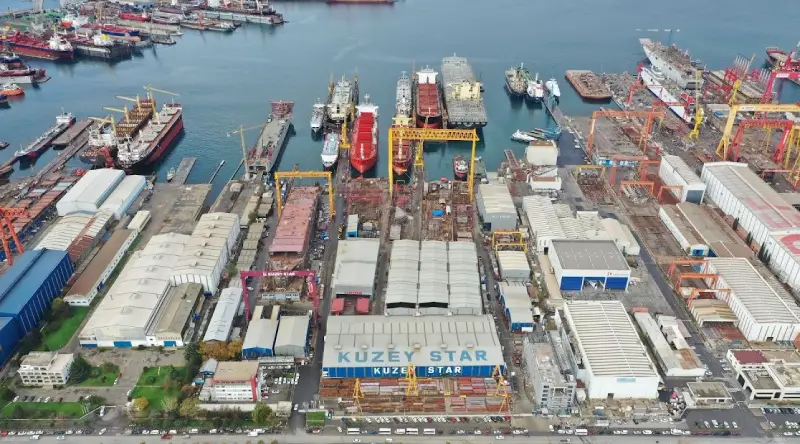
Outfitting Works
Delivers professional services with its expert team in various areas, including light steel fabrication, ventilation ducts, insulation, and more. We ensure the success of your business at sea with our expertise and dedication.

1. What Are Outfitting Works in Shipbuilding?
Outfitting works involve the installation and assembly of equipment, systems, and materials required for the operation and functionality of a ship, including interior and exterior components.
2. Why Are Outfitting Works Important in the Maritime Industry?
Outfitting works are crucial for ensuring that a vessel meets safety standards, is comfortable for the crew and passengers, and is fully operational for its intended use.
3. What Types of Systems Are Installed During Outfitting?
Systems installed during outfitting include electrical, plumbing, HVAC (heating, ventilation, and air conditioning), communication, navigation, and safety systems.
4. What Materials Are Commonly Used in Outfitting Works?
Common materials include steel, aluminum, wood, insulation, piping, wiring, and various types of coatings and paint for corrosion resistance.
5. How Does the Outfitting Process Begin?
The outfitting process begins with detailed planning and design, followed by the procurement of materials, and then the actual installation and assembly on the ship.
6. What Are the Key Challenges in Outfitting Works?
Key challenges include coordinating multiple tasks simultaneously, managing space constraints, maintaining high safety standards, and adhering to project timelines and budgets.
7. How Is Quality Control Managed During Outfitting?
Quality control is managed through regular inspections, testing of installed systems, and adherence to industry standards and regulatory requirements throughout the outfitting process.
8. What Role Does a Project Manager Play in Outfitting Works?
A project manager oversees the entire outfitting process, coordinating between different teams, managing schedules and budgets, and ensuring the project meets all technical and regulatory specifications.
9. How Are Outfitting Works for New Builds Different from Retrofits?
Outfitting for new builds is planned from the ground up, while retrofits involve modifying or upgrading existing systems and structures, often requiring more complex adjustments to fit the current layout.
10. What Is the Importance of Insulation in Outfitting Works?
Insulation is important for thermal and sound protection, ensuring energy efficiency, safety, and comfort for both the crew and passengers.
11. What Are the Safety Measures in Place During Outfitting?
Safety measures include strict adherence to safety protocols, use of personal protective equipment (PPE), proper handling of materials, and continuous training for all workers.
12. How Does Digital Technology Assist in Outfitting Works?
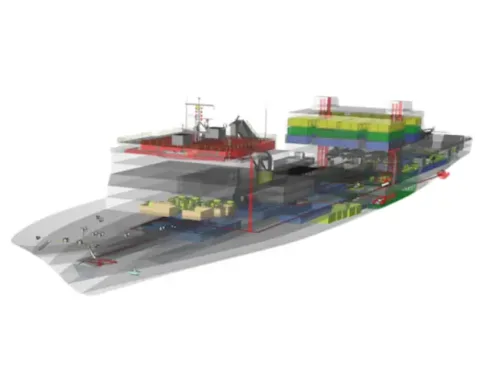
Digital technology, such as 3D modeling and project management software, assists in accurate planning, design, monitoring, and managing the outfitting process efficiently.
13. What Is the Role of Light Steel Fabrication in Outfitting?
Light steel fabrication provides structural components and support frameworks that are strong yet lightweight, ideal for various ship sections to enhance performance and reduce fuel consumption.
14. What Are the Environmental Considerations in Outfitting Works?
Environmental considerations include using sustainable materials, reducing waste, recycling, and ensuring that all installed systems comply with environmental regulations, such as emission control standards.
15. How Are HVAC Systems Installed During Outfitting?
HVAC systems are installed by placing ductwork, mounting air handling units, and connecting them to power sources and control systems, ensuring proper ventilation, heating, and cooling throughout the vessel.
16. How Do Outfitting Works Contribute to the Overall Value of a Ship?
Outfitting works add value by enhancing the ship’s safety, functionality, comfort, and operational efficiency, which can improve marketability and profitability.
17. What Are the Key Considerations for Electrical Outfitting?
Key considerations include ensuring electrical safety, proper load distribution, compliance with maritime electrical standards, and the integration of backup power systems.
18. How Do Ventilation Ducts Affect Ship Performance?
Properly designed and installed ventilation ducts are essential for maintaining air quality, controlling temperature, and ensuring the safety of both the crew and cargo, especially in enclosed spaces.
19. What Is the Role of Coatings in Outfitting Works?
Coatings protect the ship’s surfaces from corrosion, wear, and environmental damage, extending the lifespan of the vessel and reducing maintenance costs.
20. How Is the Timeline for Outfitting Works Determined?
The timeline for outfitting works is determined by the project’s scope, the complexity of the installations, availability of materials, and coordination between different teams involved in the project.